Counter-Surveillance & Privacy Law
One-Party vs Two-Party Consent States for Audio Recording
One-party consent lets you record a conversation you're part of; all-party states need everyone's agreement. Here's the state split for 2026.
The other side of the catalog: RF detectors, lens finders, and how to check a rental, a car, or your own home for devices someone else planted. Plus plain-English guides to recording and tracking law.
The honest starting point is that an RF detector cannot see a camera that is not talking. A large share of hidden cameras record to a card and transmit nothing at all, and several of the ones that do transmit only wake up in short bursts when motion triggers them. A detector swept through a room in ninety seconds can pass a metre from a live device and stay silent. It is a useful instrument for the devices that stream constantly, and useless for the rest, which is why nothing here is sold as a guarantee.
Lens finders work on a different principle and have a different blind spot. A ring of red LEDs around a viewing hole returns a bright retroreflection from a glass lens, which is genuinely effective at close range and in a darkened room, and which also lights up screw heads, smoke detector housings and the shiny plastic on a television. The method rewards patience: slow passes, low light, and eye level changed twice.
What actually finds devices is procedure rather than gear. Power sources first, because a camera without a battery needs a cable. Then the objects that face a bed or a shower, then the ones that were not in the room yesterday.
If you find something, the useful move is to photograph it in place and contact the police rather than pull it apart, because a device removed and opened is evidence nobody can use. Nothing on this site is legal advice, and the rules on recording and tracking differ by country.
Counter-Surveillance & Privacy Law
One-party consent lets you record a conversation you're part of; all-party states need everyone's agreement. Here's the state split for 2026.
Counter-Surveillance & Privacy Law
Check wheel wells, the rear bumper, and the OBD-II port first, then run an RF detector pass for battery trackers. Here is the full check, spot by spot.
Counter-Surveillance & Privacy Law
Check smoke detectors, outlets, and anything facing the bed first, then use a flashlight for glare and an RF detector as backup. The ten-minute checklist.
Counter-Surveillance & Privacy Law
A basic bug sweep combines a visual check, an RF detector pass, and a Wi-Fi network scan. Here's how to run all three yourself, no professional required.
Counter-Surveillance & Privacy Law
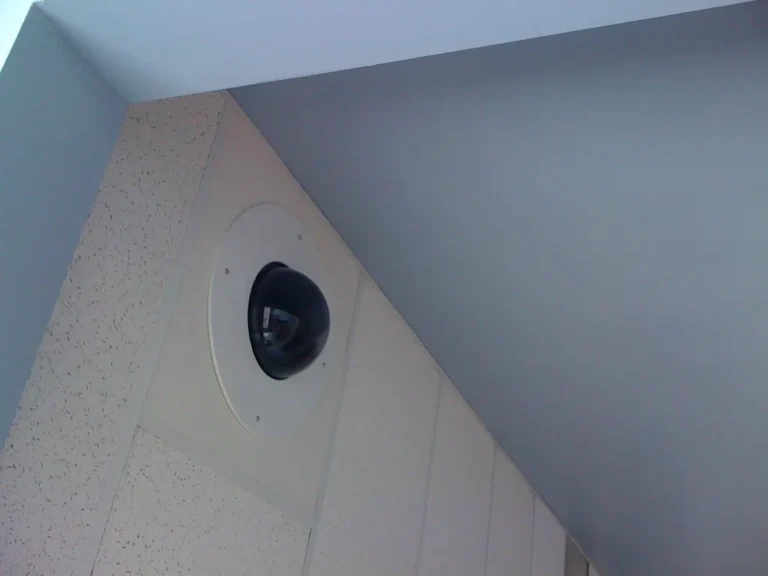
The K18 RF Detector is the top pick, but no single detector catches every camera type. Compare RF detectors, lens finders, and network scanners here.
Counter-Surveillance & Privacy Law
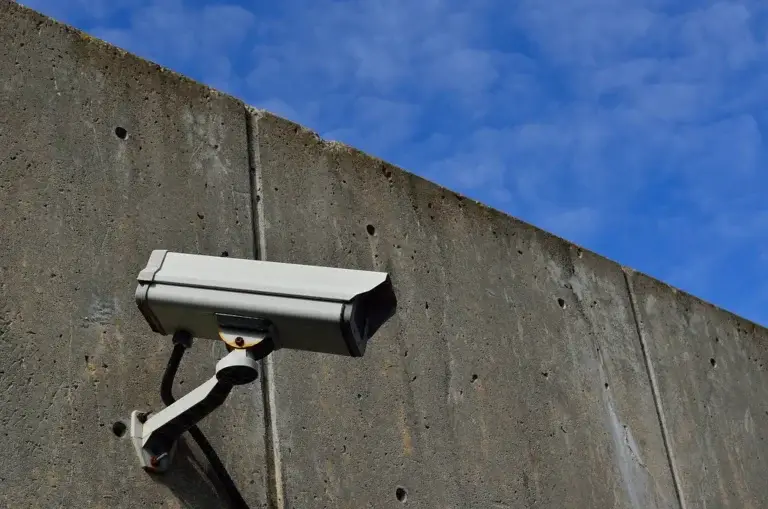
Signal jammers are federally illegal in the US no matter the reason. What the FCC fines people for, and the legal alternatives that work.