Latest dossier ·
Dash Cams ·
3 min read
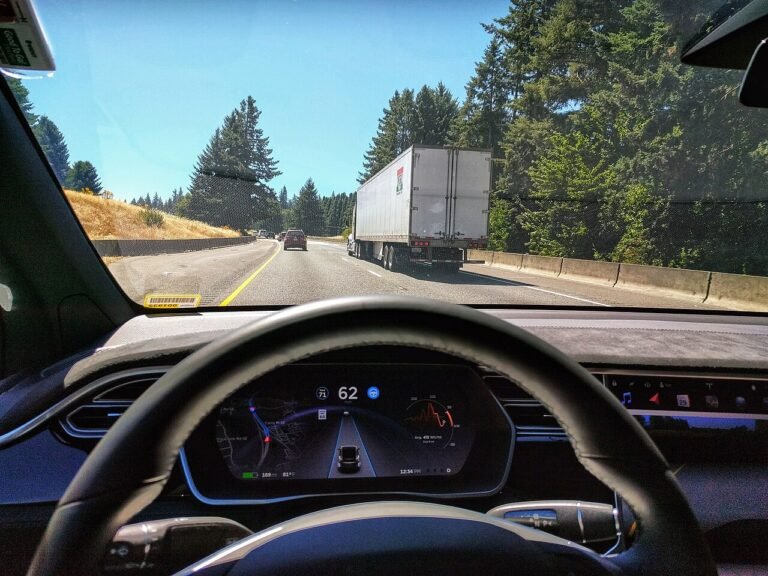
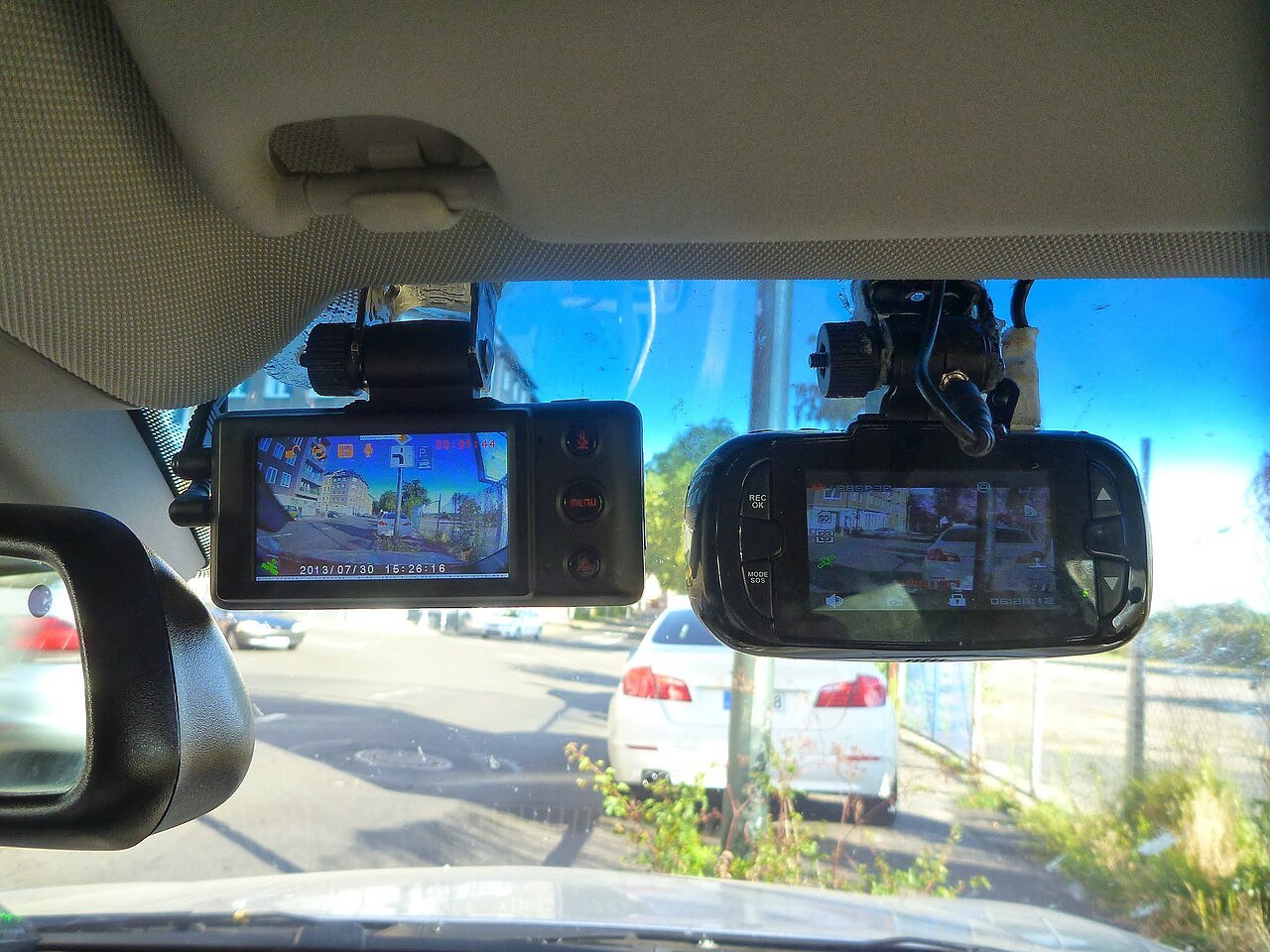
The best dash cam depends less on the model name than on which of four jobs you need it to do: record the road ahead, cover the rear…
Open the full case file →
Family & Pet Monitoring
COPPA requires parental consent before an operator collects personal information from a child under 13, and location data is on the list. Here is what the rule and…
Updated October 7, 2026
Counter-Surveillance & Privacy Law
There is no single answer for employer GPS tracking. State statutes look at who owns the vehicle, whether the owner consented, and in some states whether the employee…
Updated October 7, 2026
Family & Pet Monitoring
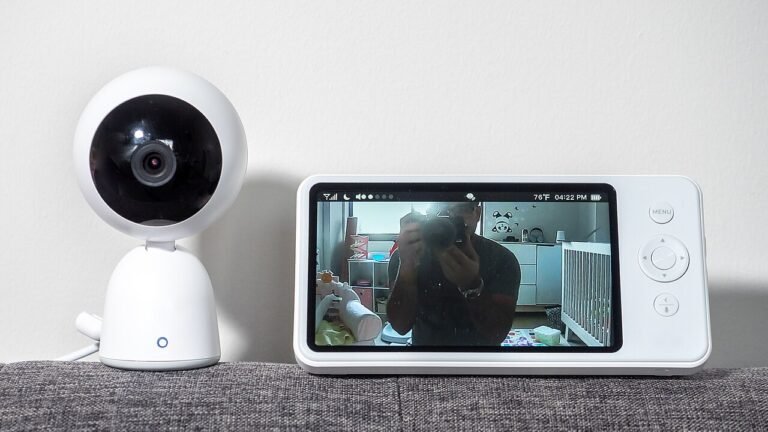
A baby monitor that connects to the internet can expose a live feed if it is poorly secured. The FTC, CISA and the UK NCSC list the same…
Updated October 7, 2026
Counter-Surveillance & Privacy Law
The federal video voyeurism statute is narrow, and most cases fall under state law. Here is what the text says and how to handle a camera in a…
Updated October 7, 2026
Family & Pet Monitoring
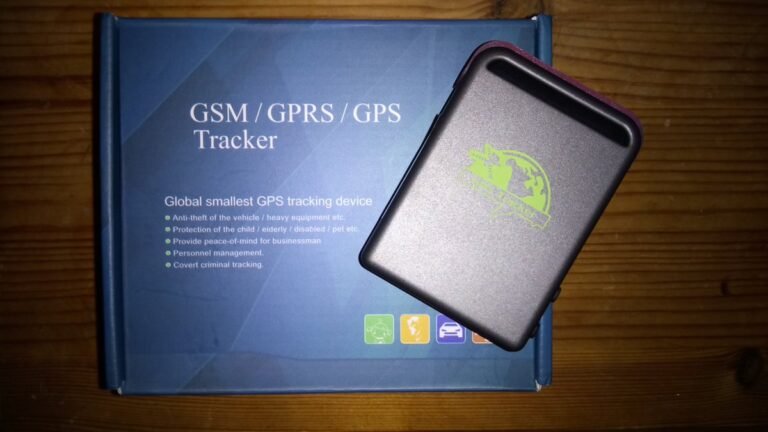
A microchip and a GPS tracker solve different problems. One identifies a pet once someone finds it, and the other helps you search while it is still missing.
Updated October 7, 2026
Dash Cams
Video of a public road is rarely the problem. Audio of passengers is where consent law applies, and rideshare platforms add their own rules on top.
Updated October 7, 2026
Dash Cams
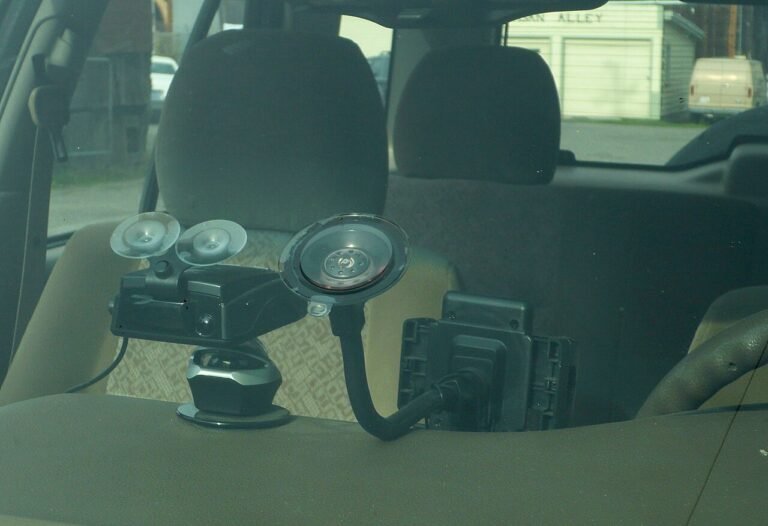
No single national rule says where a dash cam goes on a car windshield. States write their own obstruction laws, and the federal rule only covers commercial trucks.
Updated October 7, 2026
Dash Cams
A dash cam rewrites its memory card again and again, and every card wears out. This article follows the SD Association and one manufacturer manual on endurance, speed…
Updated November 3, 2026
GPS Trackers
A dead or switched-off phone is not always invisible. Apple and Google both describe a last known location and an offline network, and both depend on settings you…
Updated October 7, 2026
Quick answers
Is it legal to record audio of someone without telling them?
It depends on the state. Federal law (18 U.S.C. § 2511(2)(d)) allows a recording when one party to the conversation consents, and many states follow that rule. Others, California among them (Penal Code § 632), require every party to agree. Recording a conversation you are not part of is a separate and much riskier question.
Can I put a camera in my own home if a housekeeper or nanny works there?
Video of the common areas of your own home is generally allowed, and audio recording and private spaces such as bathrooms change the answer. Our guide to cameras and household workers walks through the cases. Housekeepers and cameras.
Can I record my roommate in a dorm room?
Recording a roommate in a shared bedroom without their knowledge is unlawful in nearly every state, whoever signed the housing form. A camera aimed at your own desk is a different situation. Dorm room camera rules.
Is it legal to put a GPS tracker on a car?
Tracking a vehicle you own, or one the owner has agreed you may track, is the safe case. Putting a tracker on someone else's car without their consent can be stalking or a privacy offense in many states, and state statutes vary. Magnetic vs hardwired GPS trackers.
Does TrueSpyTech test the devices it writes about?
No. We do not run a test lab. We read manufacturer specifications and the relevant laws, then weigh them against what owners report. The method is described on our evaluation page. How we evaluate.
Statutes cited: 18 U.S.C. § 2511,
California Penal Code § 632.
General information, not legal advice.
What does TrueSpyTech cover?
TrueSpyTech covers one narrow beat: the monitoring and recording gear ordinary people end up buying, and the laws that decide whether using it is legal where they live. Guides are grouped into dash cams, GPS trackers, hidden cameras, voice recorders, counter-surveillance for the detectors sold to find all of that, and family monitoring. There are no phone reviews and no drone roundups. An article covers what the manual says and the listing leaves out, such as whether a dash cam overwrites parking-mode clips or whether a tracker needs a subscription to show a location. It also covers what owners report once the battery stops holding a charge.
Who publishes TrueSpyTech?
TrueSpyTech is a guide to surveillance gear and the privacy laws around it, published by OmniLearnConsultingCommerce LLC, a company registered in the United States. The team is not made up of lawyers, so legal guides point to primary legal sources instead of paraphrasing from memory, and they send readers to the statute or a lawyer for their own situation. Articles carry no individual byline: the process behind a page is written out in full instead. Some links are affiliate links, Amazon included, and display advertising runs on the pages. A purchase through one of them pays a commission and buys no recommendation, which is why a fair number of articles end with a reason not to buy anything. The About page explains who runs the site, and contact@truespytech.com reaches the team.
How does TrueSpyTech test and evaluate gear?
There is no test lab, and the site does not buy every device it writes about. Any battery life, resolution, bitrate or detection range in an article is the manufacturer's stated figure, and the article says so. Where owners consistently report something different, the article says that too. Sources come in a fixed order. Manufacturer documentation comes first: spec sheets, user manuals, firmware release notes, app privacy policies and permission lists, warranty terms. Primary legal sources follow: state statutes on recording consent and tracking, published court decisions, and guidance from the agencies that regulate the airwaves and consumer products. Laws change, so an article gives the general rule and its direction rather than a table it cannot keep current. The how we evaluate page describes the method.