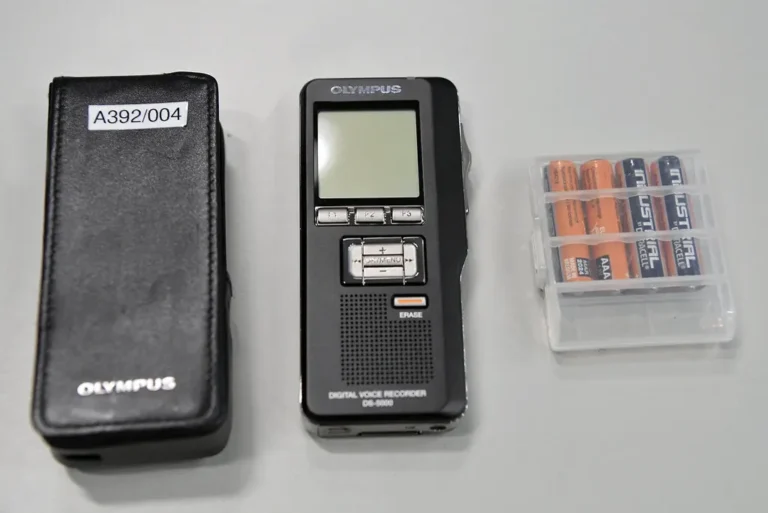
Voice & Audio Recorders
Voice Recorders: Legal Use, Best Models, and Where They Fail as Evidence
Voice recorder legality comes down to your state's consent law, not the device. Here's the one-party vs. all-party split, plus models worth buying.
Small recorders for meetings, lectures, and documentation. Battery life, mic range in real rooms, and the one-party vs two-party consent rules that decide what a recording is worth.
Microphone range is the specification that lies most often in this category. A recorder advertised at twenty metres was measured in a quiet room with a person speaking towards it, and sound falls off with distance in a way no amount of gain fixes: doubling the gap does not halve the signal, it quarters it. Add a ventilation fan, a laptop on the table and four people talking over each other, and the useful range of most pocket recorders collapses to the near half of a meeting table. So the table is worth more than the microphone. The reviews say where owners report a recorder still picked up the far end of a room, and where it gave up.
The second thing worth checking is what the recorder does to the audio before it saves it. Aggressive noise reduction is what makes a demo sound clean and makes a real recording unusable, because it treats a quiet voice at the far end of the room as noise and removes it. Units that record a flat file and leave the cleanup to you tend to be the ones still worth having a year later.
Voice activation deserves its own warning. It saves battery and card space and it clips the first syllable of every sentence, which is exactly the syllable a transcript needs.
On the law: recording a conversation you are part of is permitted in many places and a criminal offence in others, and some jurisdictions require every participant to agree. The reviews name the rule that applies to the use case, not the rule that flatters the product.
Voice & Audio Recorders
Voice recorder legality comes down to your state's consent law, not the device. Here's the one-party vs. all-party split, plus models worth buying.
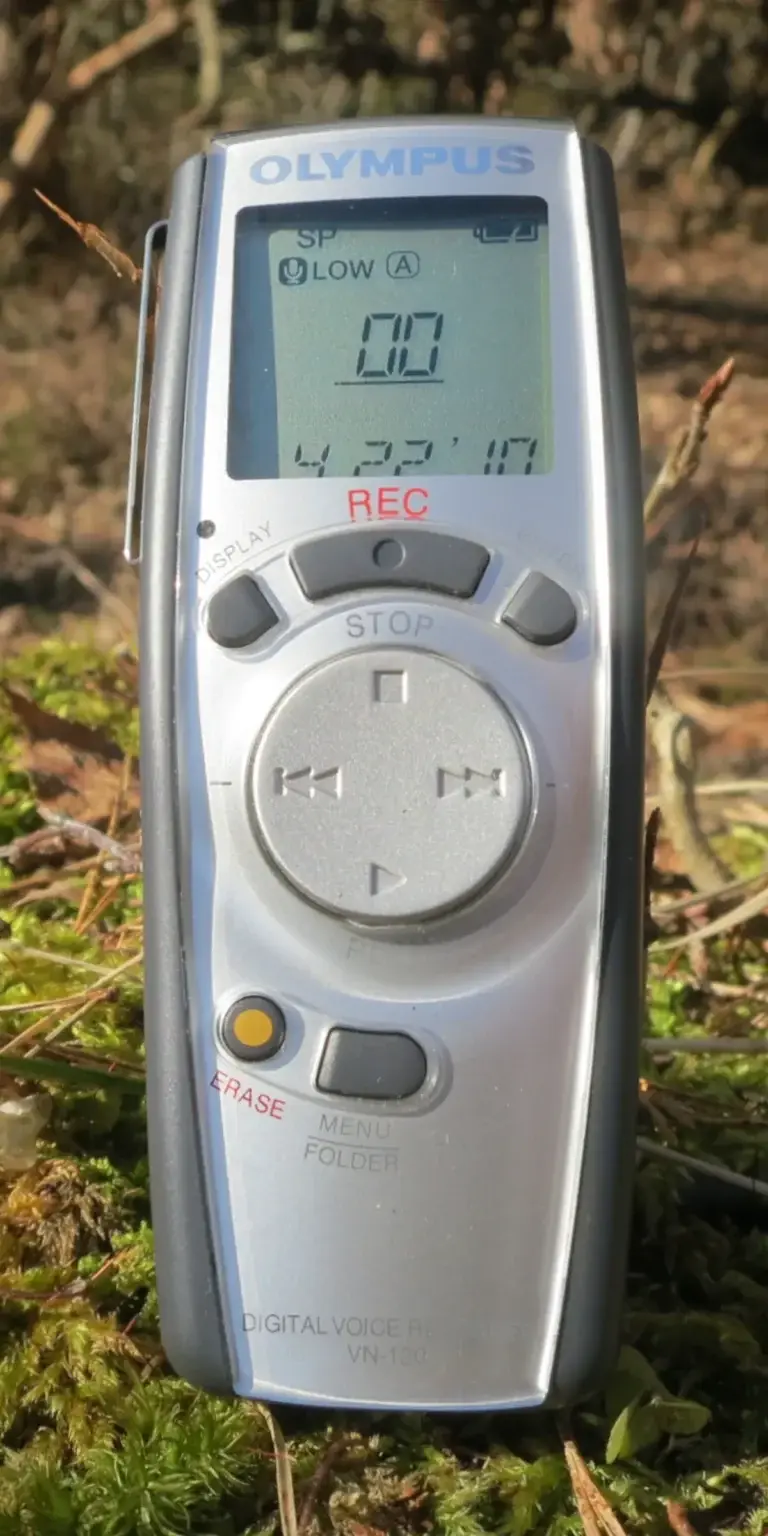
Voice & Audio Recorders
Federal law sets a one-party consent floor for recording calls, but about a dozen states require everyone on the line to agree first. Here's the split.
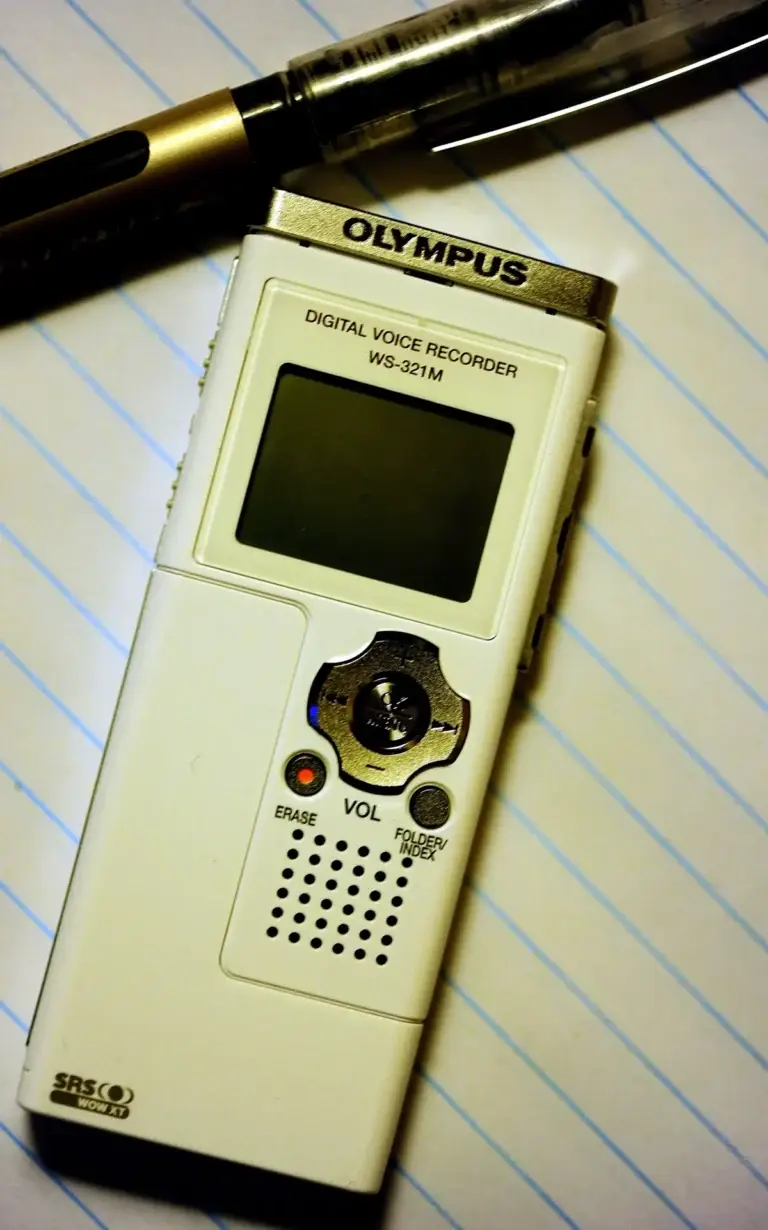
Voice & Audio Recorders
Legal doesn't mean safe: one-party consent states allow recording a meeting, but company policy or a signed NDA can still get you fired for it.
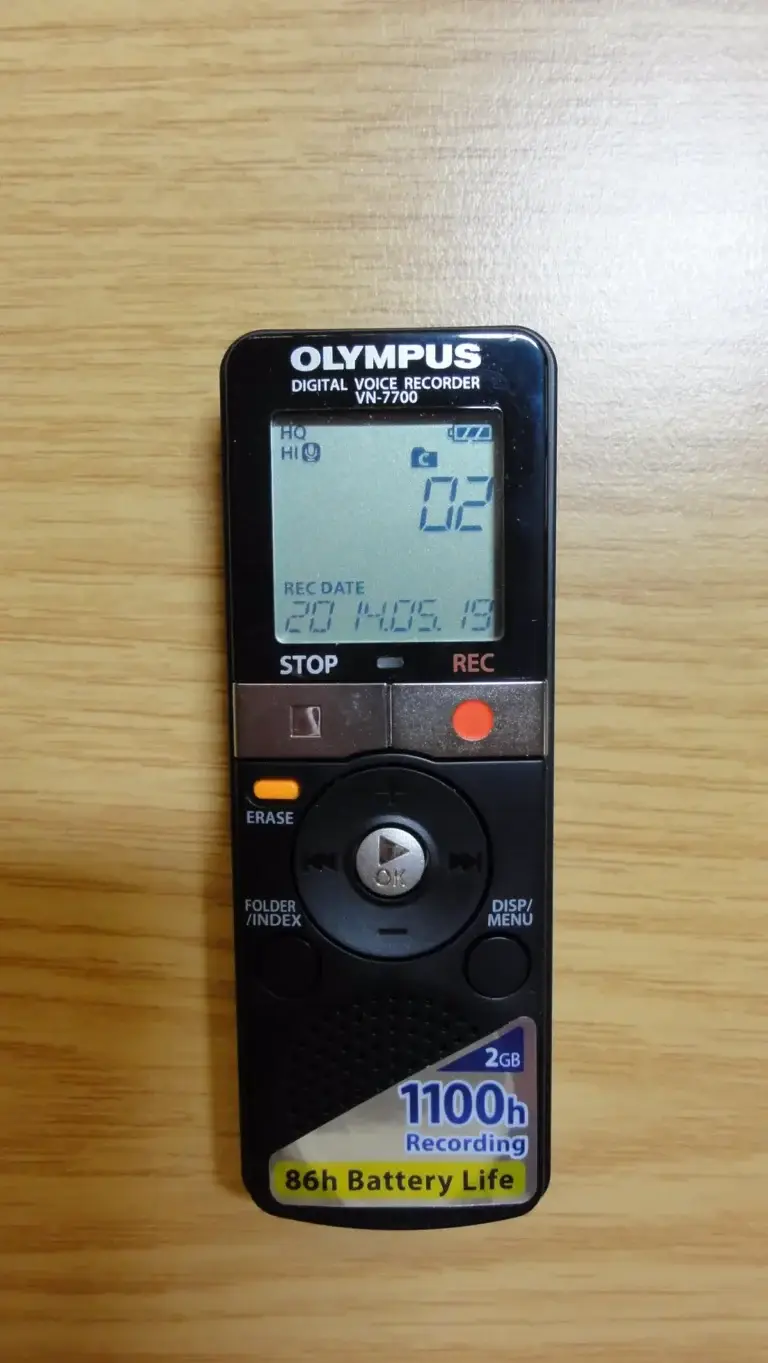
Voice & Audio Recorders
The best voice recorder for interviews and lectures needs all-day battery life and clean, transcription-friendly audio. Four models worth buying.