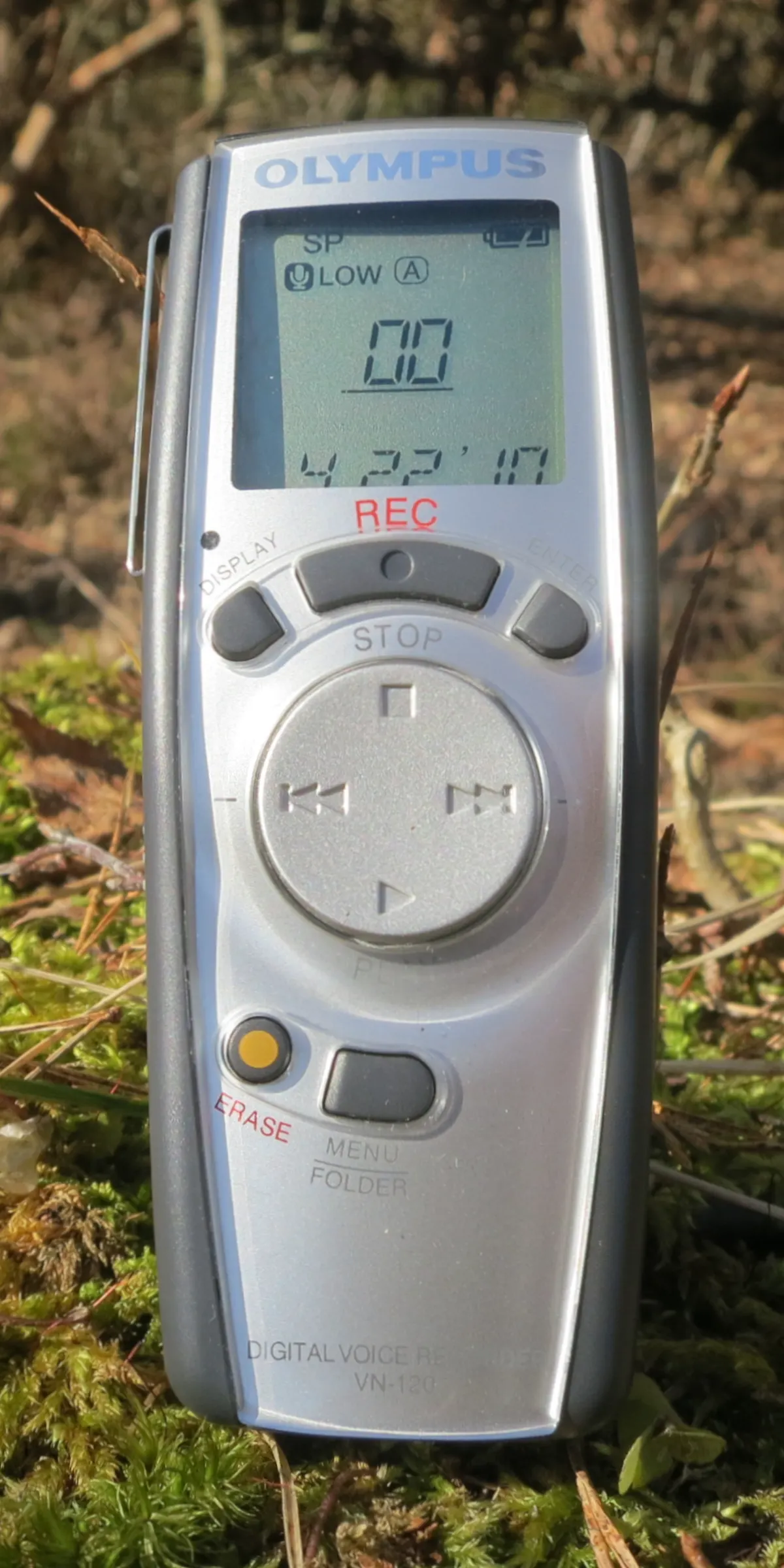

Federal law lets you record a phone call as long as you’re one of the people on it, no matter what state you’re calling from. State law is where it gets complicated: a group of states raises that bar and requires every person on the call to consent, not just you. Get the state wrong, yours or the other person’s, and a phone call recording that felt routine can turn into a real legal problem.
Quick answer
Federal law sets the floor at one-party consent. Around a dozen states raise it: everyone on the call has to agree. Calls that cross a state line are where people get caught out, so default to announcing the recording.
The federal rule, under the Electronic Communications Privacy Act, sets a floor of one-party consent nationwide. States are free to require more, and roughly a dozen do. None can legally require less.
The one-party consent floor
Under federal law, if you’re a participant in a phone call, you can record it without telling the other person, full stop. Most states leave it there and don’t add anything stricter. That’s why, in states like Texas, New York, and Ohio, a business recording customer service calls or a person recording their own conversation doesn’t need to announce it, though plenty do anyway as a courtesy or a company policy choice. For the full mechanics of one-party versus all-party consent beyond just phone calls, see our state consent breakdown.
This is also why “this call may be recorded for quality purposes” announcements exist even in one-party states: it’s not always legally required, but it heads off customer complaints and covers companies operating across multiple states with different rules.
One-party consent also applies cleanly to voicemail. If someone leaves you a voicemail, you generally didn’t need their consent to have it recorded in the first place, since the act of leaving a message on a system that announces it’s recording functions as its own form of notice. Saving, forwarding, or replaying that voicemail later doesn’t typically raise the same consent questions that recording a live call does.
States that raise the bar
A smaller group of states requires all parties on the call to consent before it’s recorded. This group is commonly cited as including California, Florida, Illinois, Maryland, Massachusetts, Montana, New Hampshire, Pennsylvania, and Washington. In these states, recording a call without telling the other person can expose you to civil liability or, depending on intent, criminal charges. As of 2026, that’s the generally accepted list, but state legislatures amend these statutes periodically and court interpretations shift, so check your specific state’s current wiretapping or eavesdropping statute rather than treating any list, including this one, as permanently fixed.
What trips people up is assuming their own state’s rule is the only one that matters. It usually isn’t.
The penalties in these states also vary more than people expect. Some treat an unauthorized recording as a civil matter, meaning the other party can sue for damages but there’s no criminal charge attached. Others classify it as a misdemeanor or, in cases involving clear intent to harm someone, a felony. The distinction usually comes down to what the recording was used for and whether it was disclosed or distributed afterward, not just the fact that it was made.
What happens when the two people are in different states
This is the scenario that generates the most genuine confusion, and there isn’t a single clean answer. If you’re calling from a one-party state but the person you’re talking to is physically in an all-party state, some courts have applied the stricter state’s rule to protect that resident, treating the call as if it needed both parties’ consent. Other courts look at where the recording device itself was located. There’s no nationwide consensus, which means the safest practical approach for any call that might matter later, a business negotiation, a dispute, anything you might need as evidence, is to assume the stricter all-party rule applies whenever you don’t know exactly where the other person is standing.
A quick disclosure at the start of the call (“just so you know, I’m recording this for my notes”) sidesteps the entire jurisdictional question and rarely derails a conversation. It’s the same logic we recommend for in-person meetings in our piece on recording a work meeting without telling anyone.
Recording calls for legitimate reasons
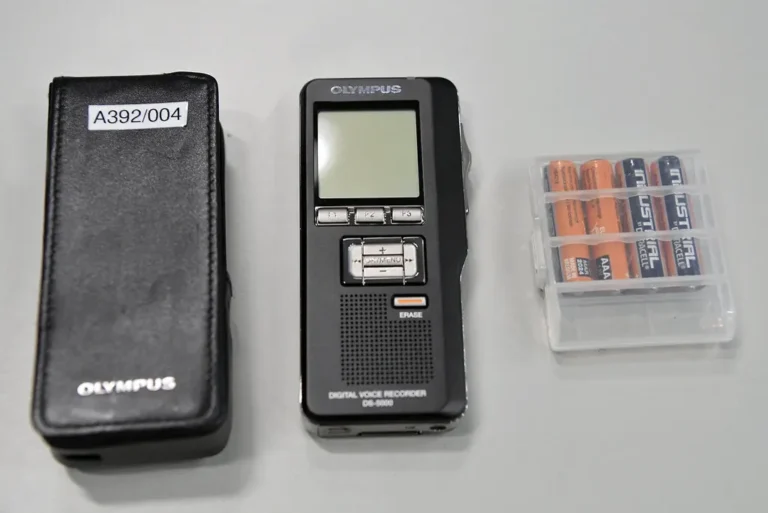
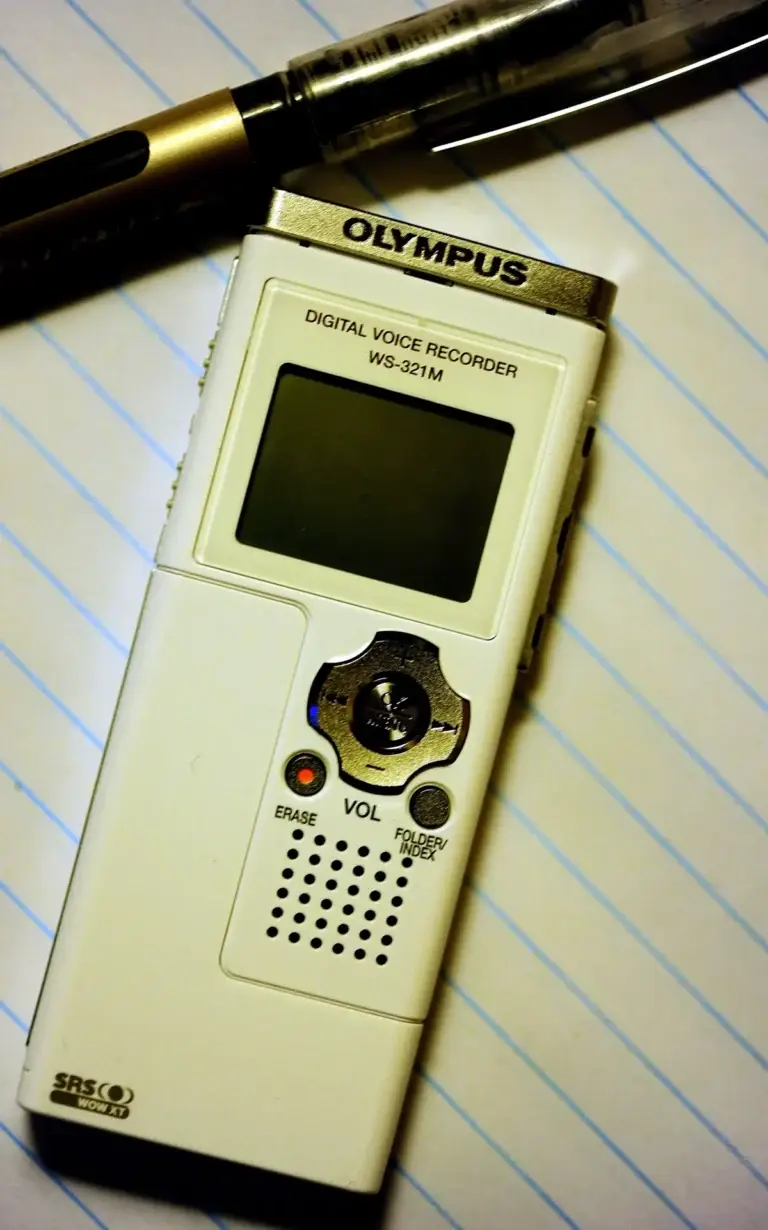
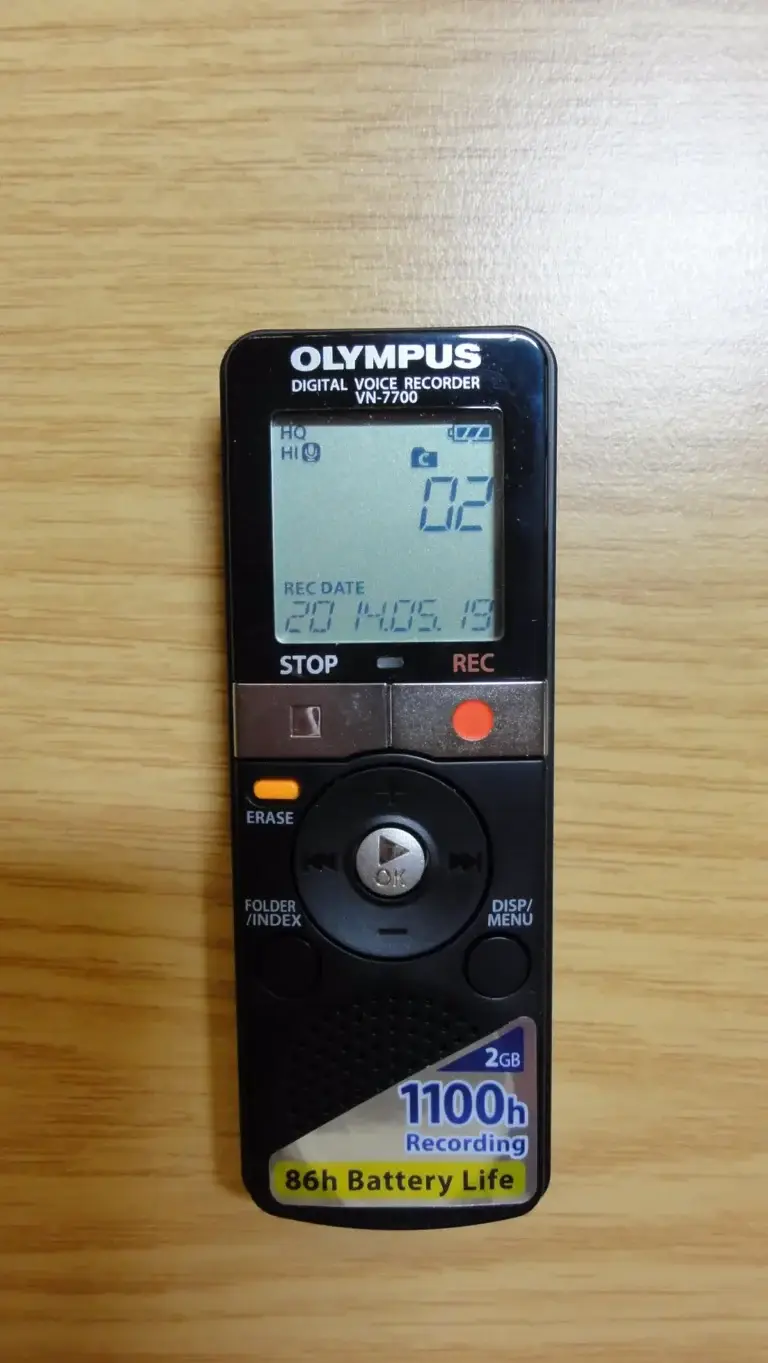
People record phone calls for reasons that have nothing to do with catching someone doing something wrong: interviews for a story, confirming details of a verbal agreement, or keeping an accurate record of a customer service call that keeps getting mishandled. For interviews specifically, a dedicated recorder connected to a phone via a cheap adapter tends to produce cleaner audio for transcription than the phone’s own call-recording app, which our voice recorder guide covers in more detail, including which models handle phone-call audio best.
If the call recording might end up as evidence, whether in a small claims dispute, an HR complaint, or something more serious, the legality of how it was obtained is often the first thing that gets challenged. A recording made in violation of an all-party consent law can get thrown out entirely, regardless of what it actually captured. For the bigger legal picture beyond just phone calls, our surveillance laws overview ties this together with video consent and tracking law.
Business calls versus personal calls
Businesses recording customer calls generally operate under the same state rules as anyone else, but they tend to be more exposed because the volume of calls makes accidental violations more likely and because a pattern of unauthorized recording looks worse to a court than a single instance. That’s the practical reason most call centers announce recording upfront rather than relying on the one-party consent floor, even in states where they’d technically be covered without it. It’s cheaper to disclose than to litigate a multi-state consent question across thousands of calls.
Personal calls carry lower volume but higher stakes per recording in some ways, since a single call between two individuals is more likely to end up scrutinized in a specific dispute, like a divorce, a business disagreement, or a landlord-tenant issue, than lost in the noise of routine business activity.
Frequently asked questions
Recording the call itself
Olympus WS-852
Cheap, runs on AAA batteries, and captures a speakerphone call cleanly. It plugs into a computer directly, which saves you hunting for a cable.
- Built-in USB arm, no cable
- AAA batteries instead of a charging routine
- Good enough for a speakerphone conversation, which is how most call recording is really done
Other options, including room recorders, in the voice recorder guide.
Can I legally record a customer service call?
Generally yes, since you’re a participant in the call, and this follows the same one-party or all-party rule as any other phone conversation based on where you’re located. Many companies also record their side and disclose it upfront, which sidesteps the question entirely.
Does the “this call may be recorded” announcement mean it’s automatically legal?
That announcement typically covers the company’s own recording and consent on their end. It doesn’t automatically grant you legal cover to record the call yourself if your state requires all-party consent and the announcement doesn’t explicitly address that.
What states require both people to consent to a recorded phone call?
The commonly cited group as of 2026 includes California, Florida, Illinois, Maryland, Massachusetts, Montana, New Hampshire, Pennsylvania, and Washington. Always verify against your state’s current statute, since this list can change.
Is recording an international call different?
Yes, international calls can involve the other country’s consent laws in addition to US federal and state law, which adds a layer most domestic guides, this one included, don’t fully cover. Treat international calls as their own research question.
If you’re not sure which side of the line a call falls on, disclose it. It costs you nothing and it closes off the entire argument before it starts.
Behind this review
TrueSpyTech does not operate a test lab, and no article here rests on a unit we plugged in ourselves. Research pulls the spec sheets and the relevant law, the pattern in owner reports fills in what a spec sheet will not admit, and an editor signs off before anything goes live. Ratings are locked before affiliate links go in, never after. The full protocol is on our How we review page.
Google lets you pick which sites come up first in your own results.

.jpg)