
Whether you can record a work meeting without telling anyone depends on two separate things: your state’s consent law and your employer’s own rules. In a one-party consent state, the law itself doesn’t stop you from recording a meeting you’re part of. Your employer’s handbook, an NDA you signed, or a company policy against recording absolutely can, and violating that policy can get you fired even where no law was broken.
Quick answer
In most states you can legally record a meeting you are part of. Legal and safe are different questions: company policy can still get you fired for it, and a recording rarely stays private once it exists.
Those are two different fights, and mixing them up is how people end up thinking they’re legally protected when they’re actually just not in jail, which isn’t the same as keeping their job.
What the law allows
If your state follows one-party consent, and most do, you can record a meeting you’re attending without asking permission first, because you count as the one party whose consent is required. Our full breakdown of which states fall into that group versus the stricter all-party group is in one-party vs. two-party consent states. If you’re in an all-party state like California or Illinois, the calculus flips: you’d need every person in that meeting to know and agree before recording, which in practice means either asking out loud or not recording at all.
Federal law, through the Federal Wiretap Act, sets a one-party consent floor for the country as a whole. States can raise that bar, which is exactly what the all-party states have done, but they can’t lower it below the federal minimum. So the state you’re physically in when you record generally determines your legal exposure, not where your company is headquartered.
Remote work has made this messier than it used to be. A meeting with colleagues logging in from three different states means three different consent rules are potentially in play at once. If any participant is physically located in an all-party state, treat the whole meeting as if it needs everyone’s agreement, since that’s the more cautious read and the one some courts have applied when a dispute over a specific recording reached them.
Where company policy overrides “it’s legal”
Legal and allowed by your employer are not the same test. A lot of companies have explicit no-recording policies in their employee handbook, sometimes buried in the same section as confidentiality rules. Signing an NDA or a confidentiality agreement can also functionally restrict what you can do with any recording, even one that was legal to make in the first place, because using it or sharing it might breach the contract separately from the recording act itself.
The two situations where this bites are performance reviews and meetings where layoffs or disciplinary action get discussed. People record these because they expect the conversation to get disputed later. That instinct is reasonable. The mistake is assuming a legal recording automatically protects your job, when in a lot of workplaces it’s grounds for termination on its own, separate from whatever the meeting was about.
Unionized workplaces sometimes carry a different set of rules entirely, since collective bargaining agreements occasionally address recording directly, either permitting it for grievance documentation or restricting it further than state law would on its own. If you’re in a union role and considering recording a disciplinary meeting, checking the CBA is worth doing before you check anything else, since it can override the general company handbook policy in either direction.
When recording a meeting is a good idea
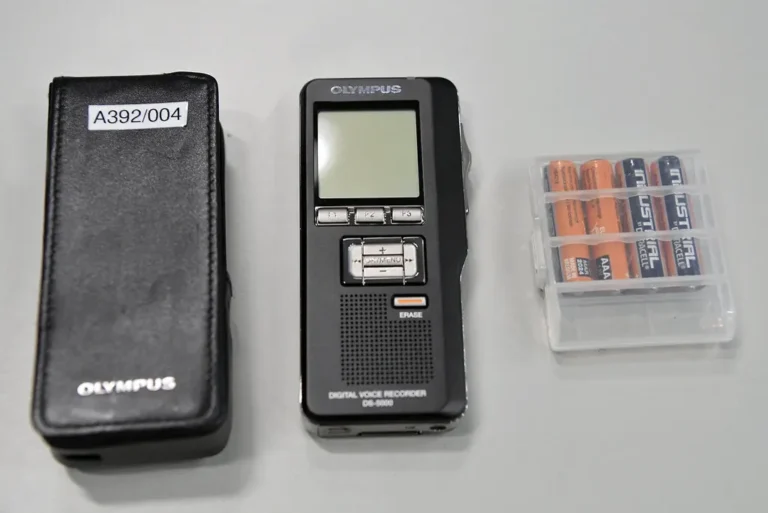
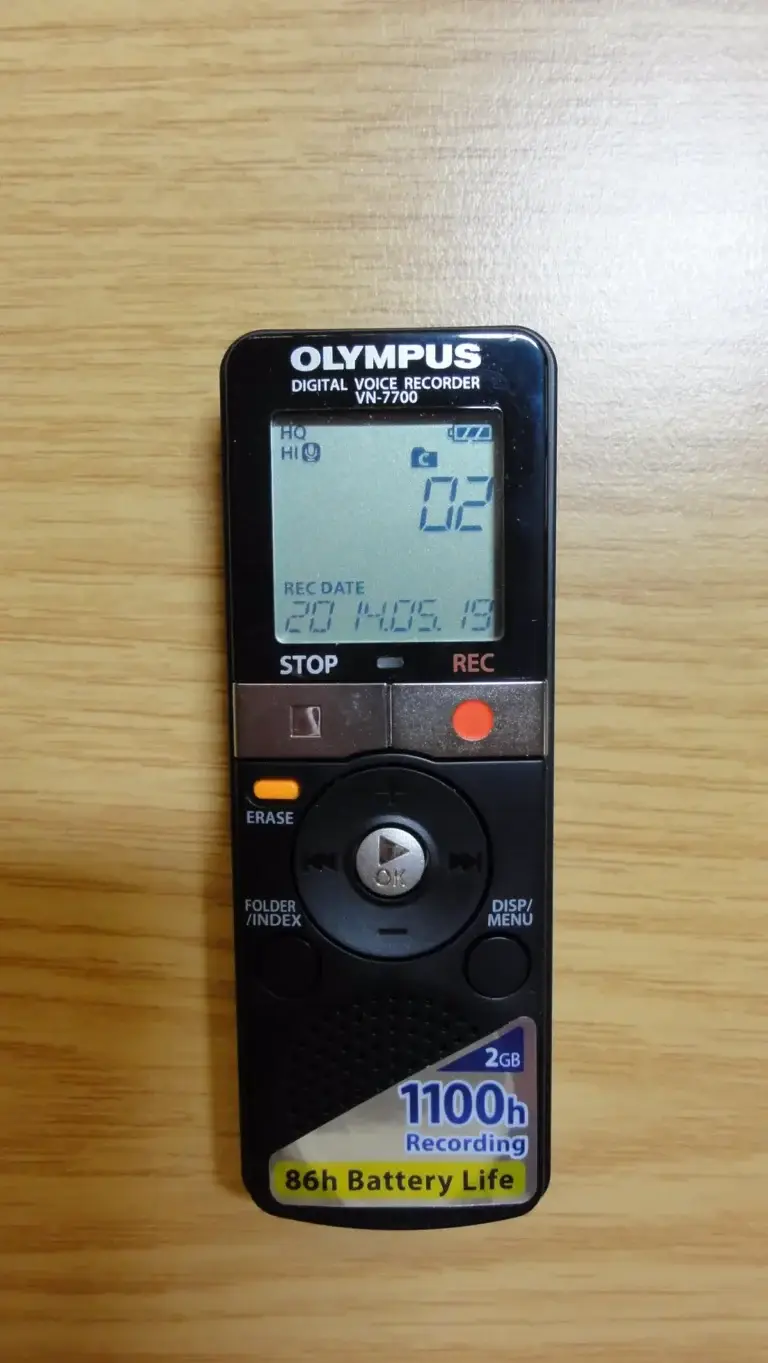
There are real reasons to record a work meeting: documenting a promise made verbally that later gets denied, protecting yourself in a harassment or discrimination complaint, or just accurately capturing action items from a long planning session. In those cases, a small dedicated recorder tends to work better than a phone, mostly because it doesn’t look like you’re checking texts and it runs longer without dying. Our voice recorder buying guide covers what matters in a device for this kind of use: battery life across a full workday and audio that stays clear when three people are talking over a conference table.
If the recording might end up as evidence in an HR complaint or legal claim, treat it carefully from the start. Note the date, time, and who was present. Don’t edit the file. And don’t assume a recording that was legal to make is automatically going to be admitted as evidence, since that’s a separate procedural question courts and HR departments handle differently.
What to do if you’re unsure
When state law and company policy send different signals, the safer move in most cases is to ask. A simple “mind if I record this so I don’t miss anything” at the start of a meeting solves the legal question entirely and rarely gets refused. It also sidesteps the messier situation of a recording surfacing later and looking like it was made in secret specifically to catch someone out, which tends to color how HR or a court reads the whole situation, independent of whether it was technically legal.
For the phone-specific version of this question, including how it changes when the other person is out of state, see our state-by-state phone call recording guide. And for the full legal landscape beyond just work meetings, our surveillance and recording laws overview covers how these rules interact with stalking and tracking statutes too.
What happens if a recording surfaces later
If a secretly made recording ends up in front of HR or in a legal proceeding, two separate questions usually come up: was it legal to make, and can it be used. Those aren’t the same question. A recording made legally under state consent law can still get challenged on relevance, authenticity, or how it was obtained relative to company policy. Conversely, a recording made in violation of an all-party consent law can sometimes still surface in a dispute, but it opens the person who made it to separate civil or criminal liability regardless of what the recording shows.
None of that means don’t record if you have a real reason to. It means go in with clear eyes about what a recording protects you against, and what it doesn’t. A recording of a manager saying something inappropriate is useful evidence. It is not automatically a shield against being fired for having made it, especially in a workplace with a written no-recording policy you’ve already agreed to.
Frequently asked questions
If you decide to record
Sony ICD-UX570
The straightforward option: pocket size, dated files, and it keeps running when a call comes in on your phone.
- Files are dated on the device itself
- One-touch start, no menu to fumble
Tascam DR-05X
For a conference room rather than a desk. The stereo mics pick up the person at the far end of the table, which is usually the one you needed to hear.
- Handles a room, not just the seat next to you
- Records to SD, so the file never leaves your hands
Can I get fired for recording a meeting even if it’s legal in my state?
Yes. Most US employment is at-will, and a company policy against recording can be grounds for termination separate from whether the recording itself broke any law. Check your employee handbook before assuming legal means safe.
Can HR use a secret recording against me?
Potentially, yes, especially if it captured something outside the meeting’s stated purpose or violated a signed confidentiality agreement. How it’s used often matters as much as how it was made, and that’s a conversation worth having with an employment attorney if it’s a live situation.
Is it legal to record a Zoom or Teams meeting without telling anyone?
The same state consent rules apply to video calls as to in-person conversations or phone calls. Some platforms also send a notification when recording starts, which functions as a form of disclosure regardless of what the law technically requires.
Does it matter if the meeting is with coworkers in a different state?
It can. If someone in the meeting is physically located in an all-party consent state, some courts will apply that stricter standard even if you’re calling from a one-party state. Treat cross-state meetings as the more cautious scenario.
Check your handbook before you check the law. In most disputes we’ve seen discussed, the policy is what decided the outcome, not the statute.
Behind this review
TrueSpyTech does not operate a test lab, and no article here rests on a unit we plugged in ourselves. Research pulls the spec sheets and the relevant law, the pattern in owner reports fills in what a spec sheet will not admit, and an editor signs off before anything goes live. Ratings are locked before affiliate links go in, never after. The full protocol is on our How we review page.
Google lets you pick which sites come up first in your own results.