
Family & Pet Monitoring
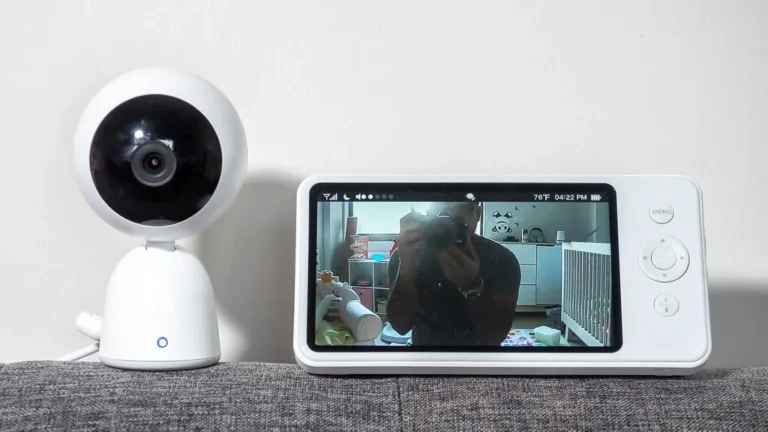
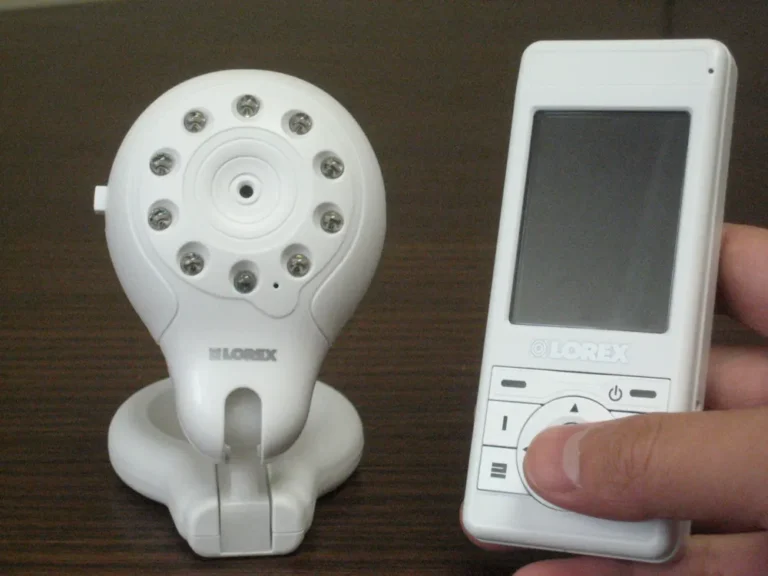
Baby Monitor vs Nanny Cam: Which One Fits Your House
A baby monitor and a nanny cam solve different problems. Which one fits your house, what the law says about audio, and where people buy both.
Monitoring that families actually use: elderly parents living alone, kids walking home, dogs left for the day. Picked for reliability first, with honest notes on what each device shares and stores.
Reliability means something specific here. A device that goes quiet is worse than no device, because a family stops checking on someone once a screen says everything is fine. So the questions worth asking are about the failure: what the app shows when the sensor has been offline for six hours, whether anybody is told, and how long the battery warning arrives before the battery is gone. Owner reports and support forums are where that surfaces, and several well-reviewed products fail it silently.
False alarms decide the rest. A fall detector that fires when a phone slides off a table gets switched off within a fortnight, and an elderly parent who has been woken twice at 3 a.m. by a false alert will unplug the base station themselves. We go after the complaints that count false alarms over a real week rather than quoting a sensitivity rating.
With children, the question is less technical. A location app the child knows about and agreed to is a different object from one installed quietly on their phone, and the second one tends to end the conversation it was supposed to protect. Reviews here favour the transparent setup and say so.
For pets, two-way audio is oversold: most dogs react to a disembodied voice by looking for the person and getting more anxious, not less. A camera that shows you the dog is settled is worth more than one that lets you talk to it.
Every review lists what leaves the house: which data goes to the manufacturer, how long it is kept, and what stops working the day a subscription lapses.
Family & Pet Monitoring
A baby monitor and a nanny cam solve different problems. Which one fits your house, what the law says about audio, and where people buy both.
Family & Pet Monitoring
We reviewed the Furbo 360, Petcube Bites 2, and SKYMEE on treat-dispenser reliability, delay, and field of view, including the jams nobody mentions.

Family & Pet Monitoring
We compare the Gabb Watch 3, TickTalk 4, and more on battery life, network range, durability, and which brands share your kid's location data.
Family & Pet Monitoring
How to match GPS watches, cameras, and pet trackers to real safety concerns for kids, aging parents, and pets, without turning monitoring into control.