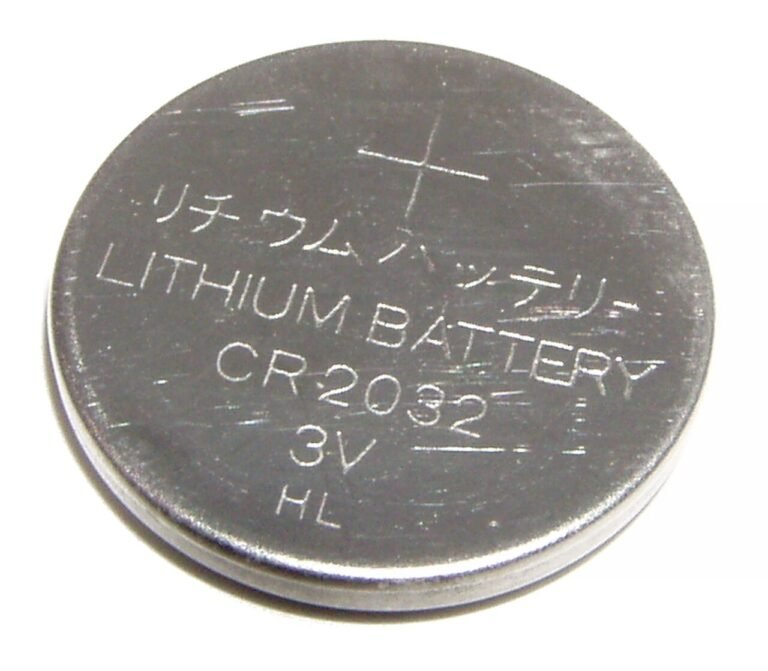
They do different jobs, so the honest answer is that a microchip is the identification layer and a GPS tracker is the searching layer. A microchip has no power source and cannot show where your pet is; it only lets a scanner at a clinic or shelter read a number once someone has the animal in hand. A GPS tracker can show a location while the pet is still loose, but only as long as it has a charged battery and a signal. Neither replaces a collar and tag, and the pet groups quoted below recommend identification first.
What a microchip is, and what it is not
The question gets muddled because people hear “chip” and think “tracker.” AKC Reunite is blunt about it: “A microchip is NOT a GPS or tracking device because it has no power source.” The same page says the chip is read by a scanner commonly used by veterinarians, shelters and animal control. The Virginia Tech veterinary college makes the same point in its microchipping explainer: microchips “don’t store any information and can’t help you track your pet like a GPS might,” and they “don’t even have batteries!”
What the chip does hold is a registration number. Virginia Tech notes that it is tied to the owner’s contact details in a registry, which is why those details have to be updated when you move or change phone numbers. A chip with an old number attached is a chip that rings a dead line. The same source says migration of the chip under the skin is rare and that the chip is designed to last 25 years.
What a GPS tracker does and where it stops
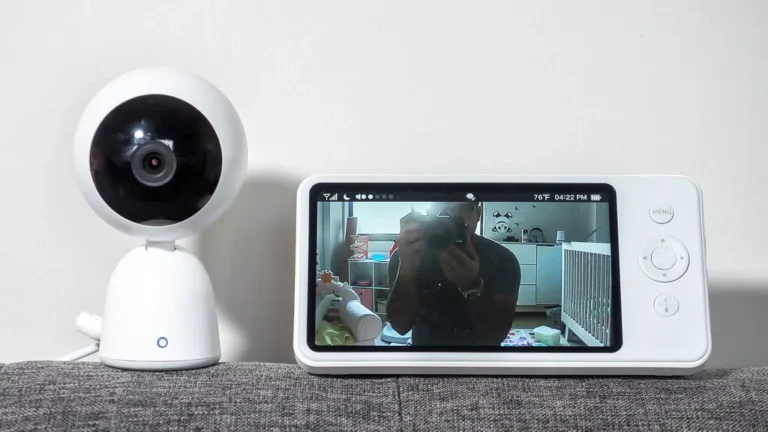
A GPS pet tracker is a separate device, usually clipped to a collar, that reports a position to your phone. The registry company PetLink explains the tradeoffs in a comparison post: a GPS tracker relies on cellular networks, needs its battery charged and often comes with a subscription, and it cannot work without battery or coverage. A microchip, in the same comparison, gives no real-time location. PetLink sells microchip registration, so treat its framing as an industry view and not a neutral study. The battery and coverage limits are plain physics, though, and match what the other sources say about power.
The practical consequence is a timing gap. A tracker can narrow a search in the first hours, when a pet is still nearby. It does nothing if the collar comes off, which the ASPCA flags as a reason not to rely on collars alone.
Side by side
| Feature | Microchip | GPS tracker |
|---|---|---|
| Power source | None | Battery that must be charged |
| Shows live location | No | Yes, with signal |
| Needs a scanner to read | Yes, at a clinic, shelter or animal control office | No, uses your phone |
| Stays with the pet if the collar is lost | Yes, it is implanted | No, it rides on the collar |
| Needs account details kept current | Yes, in the registry | Yes, for the app and any plan |
What the ASPCA recommends
The ASPCA position statement on pet identification does not discuss GPS devices at all, which is worth knowing if you read a product page that implies the ASPCA endorses one. What it does say is that implanted microchips “can serve as an important security measure to help ensure that a pet is returned home, even if a collar and tag are lost.” It also says personalized ID tags are likely to be the fastest way to return a pet home, because anyone can read one without equipment, and that collars can come off. Its answer is layered identification, a microchip plus a collar with a tag, and keeping the registry contact information current.
That order matters. A neighbor who finds your dog can read a phone number off a tag in seconds. A clinic can read a chip once the dog is brought in. A tracker helps you before anyone finds anything.
Choosing for your situation
If your pet has neither, the microchip and tag come first because neither needs charging. Add a tracker if your animal is a known escape artist, if you live near a road or woods, or if you travel with the pet and sleep in unfamiliar places. For a cat that never goes out, a tag and chip may be the whole plan.
A few habits cover most of the failure points. Check the registry record once a year and after every move. Charge the tracker on a schedule you actually keep, and look at the battery level before a walk, not after the escape. Test that the collar fits snugly enough to stay on and loosely enough to be comfortable. If you are weighing devices, the GPS tracker guide covers how these trackers report position in general, and the family monitoring guide places pet devices alongside the other tools people use to keep track of the household.
If your pet goes missing, contact local shelters and animal control, and tell the chip registry that the pet is missing. A pet that is injured, or found in distress, needs a veterinarian or an emergency animal hospital at once; none of the devices above can tell you that.
Our take
Get the microchip and a tag first, and keep the registry details current. Add a GPS tracker only as a second layer, and only if you will keep it charged. A chip identifies a found pet. A tracker helps find a missing one. Nobody should treat one as the other.
Common questions about pet microchips and GPS
Can a microchip track my dog?
No. AKC Reunite states that a microchip is not a GPS or tracking device because it has no power source, and Virginia Tech says it cannot help you track your pet. It only carries a registration number that a scanner reads.
Do I still need a collar tag if my pet is microchipped?
The ASPCA recommends both. It says personalized ID tags are likely to be the fastest way to return a pet home, while a microchip still works if the collar and tag are lost.
What happens if I move and do not update the microchip registry?
The number on the chip will point to old contact information. Virginia Tech says to update your details when you move or change phone numbers, and the ASPCA also tells owners to keep registry information current.
Will a GPS tracker work if the battery dies?
No. The PetLink comparison says a GPS tracker cannot work without battery or coverage and needs regular charging, which is why a tag and microchip remain the base layer.
Behind this review
TrueSpyTech does not operate a test lab, and no article here rests on a unit we plugged in ourselves. Research pulls the spec sheets and the relevant law, the pattern in owner reports fills in what a spec sheet will not admit, and an editor signs off before anything goes live. Ratings are locked before affiliate links go in, never after. The full protocol is on our How we review page.
Google lets you pick which sites come up first in your own results.