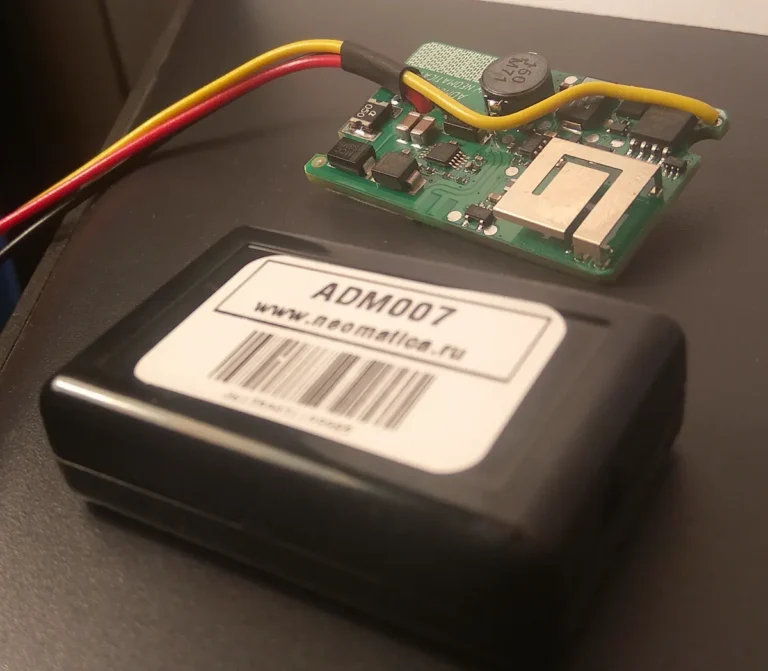
GPS Trackers
Can You Track a Company Car Without Telling the Driver?
Tracking a company-owned vehicle without asking is legal in most states, since ownership decides the question. Most states still expect written disclosure.
Trackers for cars, kids’ backpacks, pets, and equipment. We dig into the battery life and location accuracy claims, and we’re blunt about where tracking someone is illegal.
The reporting interval is the product. Everything a spec sheet says about battery life assumes a setting the manufacturer chose, usually a ping every few minutes with the device sitting still. Move the same tracker to a ten-second interval in a car and the weeks turn into days. Our reviews put the manufacturer figure next to what owners report at shorter intervals, because a tracker bought for a stolen bike and a tracker bought for a dementia patient are not asked for the same thing.
Accuracy is the second number people misread. A consumer GPS module lands within about five metres outdoors with a clear sky and drifts badly the moment it is under a metal car body, in an underground garage, or in a coat pocket indoors, where the device falls back on cell towers and Wi-Fi and reports a circle a hundred metres wide with the same confident dot on the map. We say which units admit their uncertainty and which ones draw a dot anyway.
Then there is the running cost. Most of these need a SIM, and the subscription outlives the enthusiasm. A twenty-dollar tracker on a five-dollar month costs more in its second year than the hardware did.
The law is not optional here and it is not the same everywhere. Putting a tracker on a car you own is one situation. Putting one on a partner’s car, an adult child’s car, or an employee’s private vehicle is another, and in several countries it is a criminal offence with a name. Each review says which side of that line the intended use sits on.
GPS Trackers
Tracking a company-owned vehicle without asking is legal in most states, since ownership decides the question. Most states still expect written disclosure.

GPS Trackers
GPS trackers for elderly parents, compared on battery life, monthly fees and whether the device gets carried at all. What matters, and what to skip.
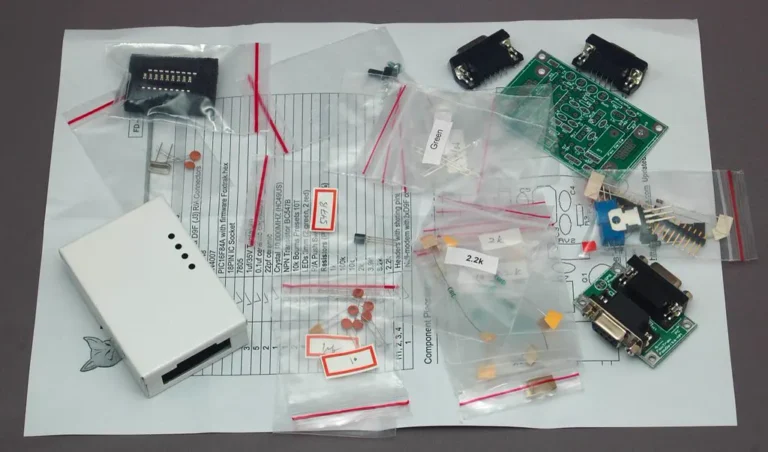
GPS Trackers
Magnetic trackers run on a battery for one to four weeks; hardwired units draw from the car and run indefinitely. Which one to buy, and why.
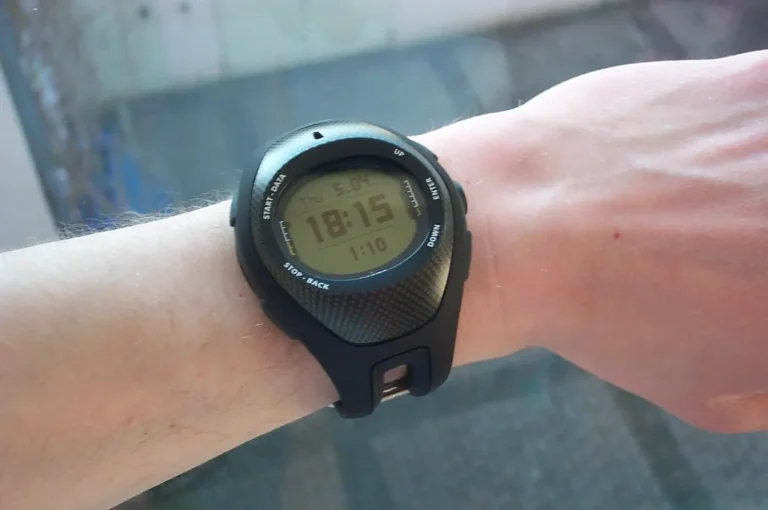
GPS Trackers
New York, California, Florida, Delaware, Hawaii, and Illinois have specific tracker laws. Here is how the state rules differ and where you stand.
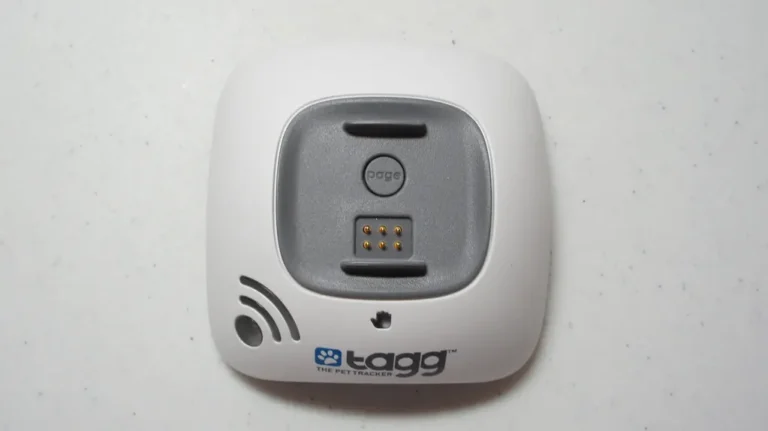
GPS Trackers
The Optimus 2.0 logs GPS data with zero subscription. Here is how SD-card and Bluetooth trackers work, and what you give up versus a cellular plan.
GPS Trackers
Yes, in most states, if you own the car or are the parent. Here is how ownership and custody decide the legal question, plus which tracker to buy.

GPS Trackers
GPS tracking your own vehicle is legal in nearly every state. Here is how ownership decides legality, what trackers cost, and which one to buy.