A magnetic GPS tracker runs on an internal battery and sticks to a wheel well or frame rail, no installation required, but it needs recharging every one to four weeks. A hardwired tracker wires directly into the vehicle’s electrical system, draws continuous power, and runs indefinitely, but it takes an actual install, usually behind the dash or near the OBD-II port. Which one wins depends entirely on how much occasional maintenance you’re willing to accept in trade for a one-time harder setup.
Verdict
Go magnetic if you want to install it yourself in under a minute and don’t mind pulling it off periodically to charge. Go hardwired, like a Bouncie or Vyncs OBD-II plug-in, if you want to forget it exists and never think about a battery again. Most casual buyers should start magnetic; most fleet and long-term monitoring use cases end up hardwired.
This is the split that trips up more first-time buyers than any other GPS tracker decision. Both mounting styles do the same core job, reporting a vehicle’s location, but they get there through completely different hardware, and the maintenance burden they leave you with couldn’t be more different.
How does a magnetic GPS tracker work?
A magnetic tracker is a self-contained unit: GPS chip, cellular radio, battery, all sealed in a weatherproof case with a strong magnet on one side. You stick it to bare metal somewhere out of sight, usually a wheel well, the underside of a bumper, or a frame rail, and it starts reporting location over the cellular network. No wiring, no tools, no trip to a mechanic. Most people have one installed and running in under two minutes.
Battery life is where it costs you. Depending on how often the device checks in, expect somewhere between one and four weeks per charge. A tracker set to update every 30 seconds burns through its battery fast; one set to check in every few minutes stretches much further. Cold weather shortens runtime noticeably too, so budget for more frequent charging in winter than a product listing promises. Trackers like Tracki and the Spytec Atlas both ship in this magnetic form factor.
How is a hardwired tracker different?
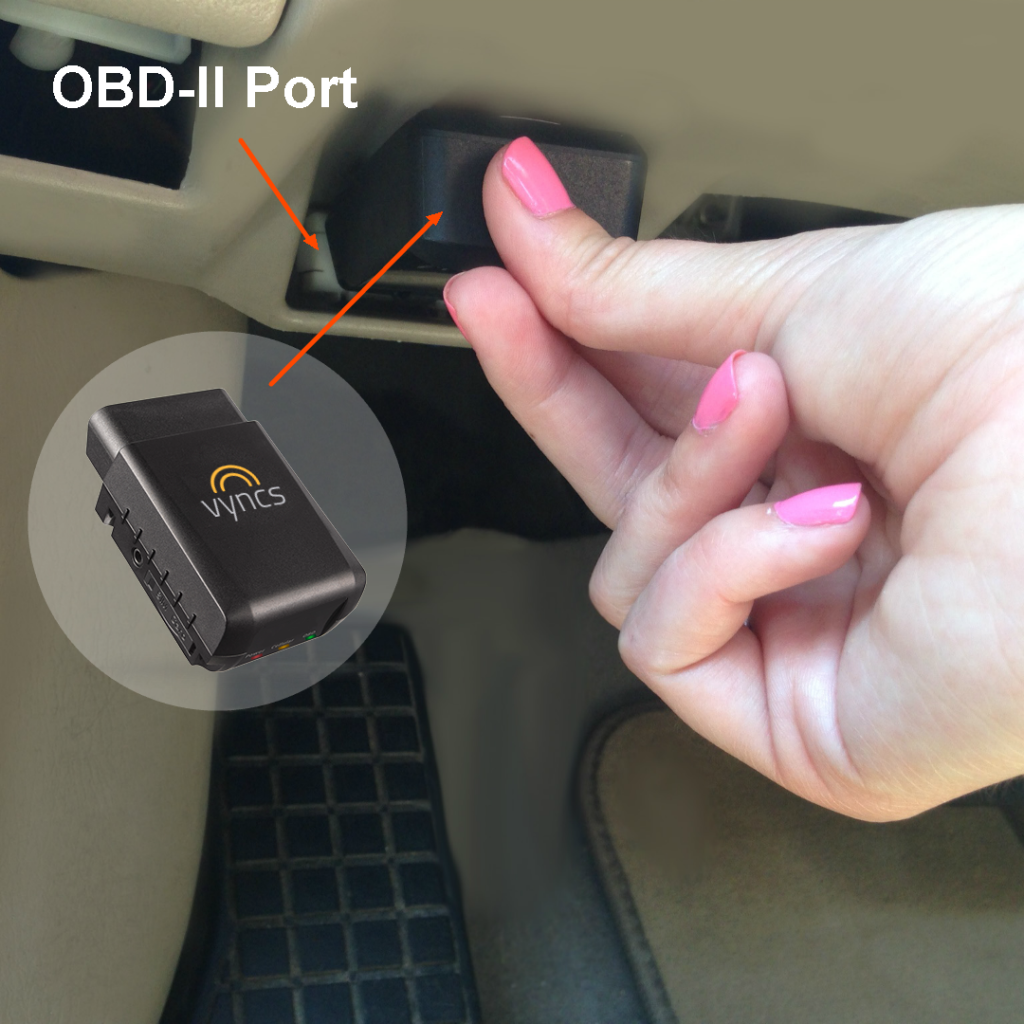
A hardwired tracker taps directly into the vehicle’s own electrical system, either wired in by hand near the fuse box or, more commonly for consumer use, plugged into the OBD-II diagnostic port every car built since 1996 already has. Once it’s connected, it draws power continuously from the vehicle itself. No battery to manage, no charging schedule, no risk of the tracker dying at the exact moment you need it. It just runs for as long as the car does.
OBD-II plug-in trackers like Bouncie and Vyncs are the easiest version of hardwired to install, since there’s no wiring involved, just a plug that clicks into a port most drivers have never noticed under the dash. They also tend to pull extra data beyond location: engine diagnostic codes, fuel level in some cases, harsh-braking and speeding alerts. A true hardwired install, spliced into the vehicle’s wiring rather than plugged into the OBD port, is less common for consumer use and usually reserved for professional fleet installs or situations where hiding the tracker matters more than convenience.
| Magnetic | Hardwired / OBD-II | |
|---|---|---|
| Install time | Under 2 minutes, no tools | Under 5 minutes for OBD-II plug-in |
| Power source | Internal battery | Vehicle’s own electrical system |
| Runtime between charges | 1 to 4 weeks, shorter in cold weather | Indefinite, runs with the car |
| Discretion | Easy to hide in a wheel well | Visible if someone checks under the dash |
| Extra data | Location only, typically | Often includes diagnostics, speed, harsh braking |
Which one should you buy?
If this is your first tracker and you’re not sure how long you’ll need it, start magnetic. It’s cheap to try, takes no commitment, and you can move it to a different vehicle in seconds if your situation changes. A parent monitoring a teen’s first year of driving, someone checking on a family member’s whereabouts with consent, or a small business owner keeping tabs on a single work vehicle all tend to be well served by a magnetic unit.
Go hardwired if you’re managing this long-term, especially across multiple vehicles. A fleet of delivery vans doesn’t have anyone available to pull trackers off for charging every few weeks, so an OBD-II plug-in that just runs makes far more operational sense. The diagnostic data most OBD-II trackers bundle in, fuel economy, check-engine alerts, driving behavior, is a genuine bonus for a business owner even if location tracking is the primary reason for buying one.
One thing both mounting styles usually share: a monthly cellular plan, since live location updates need a data connection either way. If that recurring bill is the real objection rather than the mount itself, our guide to GPS trackers with no monthly fee covers the SD-card alternative, which comes in a magnetic form factor too, just without the live feed.
A magnetic unit lives on its own battery, so the reporting interval is the setting that decides everything: at ten minutes, a 5000 mAh pack lasts about three weeks. The runtime and storage calculator works out your own interval.
Does hardwired mean it’s harder to remove?
Not really, and that’s worth knowing before you assume a hardwired tracker is somehow more permanent or tamper-resistant. An OBD-II plug-in unplugs just as easily as it plugs in, which means anyone who knows to check under the dash near the steering column can pull it in seconds. A true spliced-in hardwired install is harder to remove without knowing exactly where the wiring runs, but that level of install is rare outside commercial fleet work. If discretion against a determined search matters more than convenience, neither consumer option is airtight, and mounting location matters as much as the tracker type itself.
The legal question doesn’t change based on mounting style
Whether a tracker is magnetic or hardwired has zero bearing on whether it’s legal to install. Ownership decides that, not hardware. Tracking a vehicle you own is broadly legal regardless of mounting method; tracking someone else’s vehicle without consent isn’t, and a handful of states have laws written specifically to cover non-consensual tracking devices. We break down exactly which states and what they restrict in GPS tracking laws by state, and the full ownership framework lives in our GPS tracker guide.
If the use case is a teenager’s car specifically, the same ownership rule applies whether you go magnetic or hardwired. Our breakdown of tracking a teenager’s car legally covers that scenario directly.
If you’re the one checking for a hidden tracker
A magnetic tracker is easier to find with a physical sweep since it’s just sitting there, unattached to anything, in a wheel well or under a bumper lip. A hardwired or OBD-II unit is easier to find electronically, since it’s plugged into a standardized port in a predictable spot behind the dash. Our counter-surveillance guide walks through both search methods, and where GPS trackers hide on a car lists the specific spots worth checking first, for either type.
Frequently asked questions
Which lasts longer, a magnetic or hardwired GPS tracker?
A hardwired tracker lasts indefinitely since it draws power directly from the vehicle. A magnetic tracker runs on an internal battery that needs recharging every one to four weeks, depending on how often it reports location and how cold the weather has been.
Is a hardwired GPS tracker harder to install than a magnetic one?
An OBD-II plug-in hardwired tracker takes about as long to install as a magnetic one, just a few minutes with no tools, since it plugs into a standard port most cars have had since 1996. A true spliced-in hardwired install is more involved and usually left to a professional installer.
Can a hardwired tracker drain my car battery?
In normal use, no, the draw is small enough not to matter for a vehicle driven regularly. If a car sits unused for weeks at a time, a hardwired tracker’s continuous draw could contribute to a dead battery alongside other factors, though it’s rarely the sole cause.
Neither style is the objectively correct answer. Match the tracker to how much maintenance you’re willing to do, not to whichever one sounds more serious. A magnetic unit you remember to charge beats a hardwired setup gathering dust because the install felt like too much hassle to start.
Behind this review
TrueSpyTech does not operate a test lab, and no article here rests on a unit we plugged in ourselves. Research pulls the spec sheets and the relevant law, the pattern in owner reports fills in what a spec sheet will not admit, and an editor signs off before anything goes live. Ratings are locked before affiliate links go in, never after. The full protocol is on our How we review page.
Google lets you pick which sites come up first in your own results.