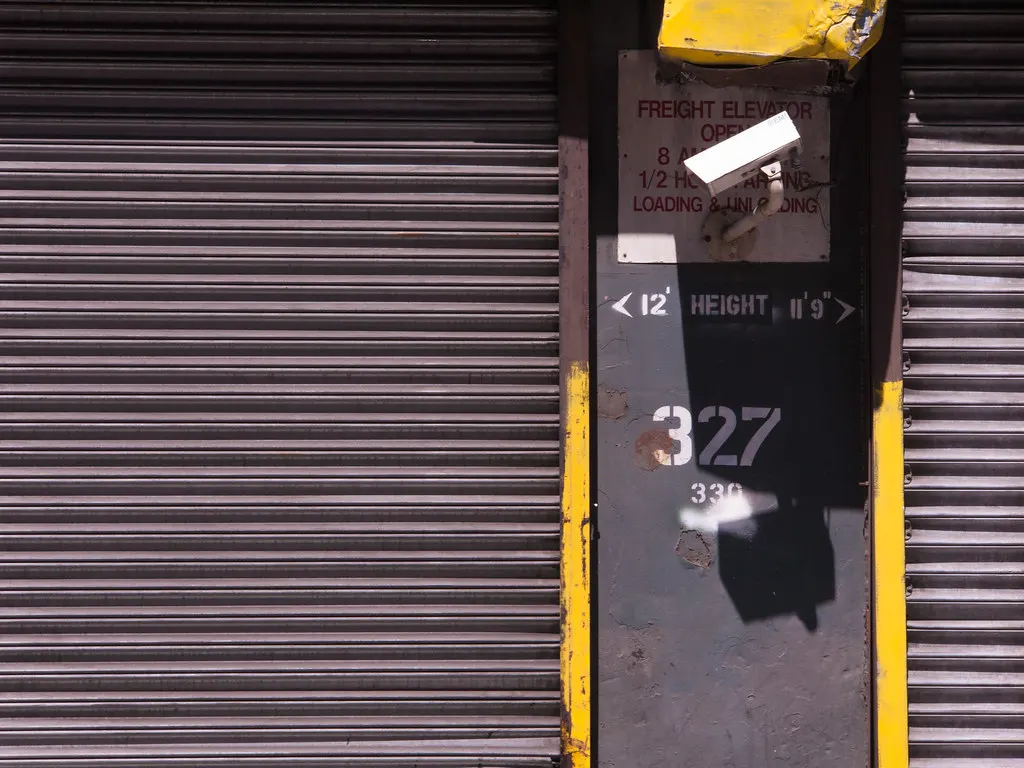
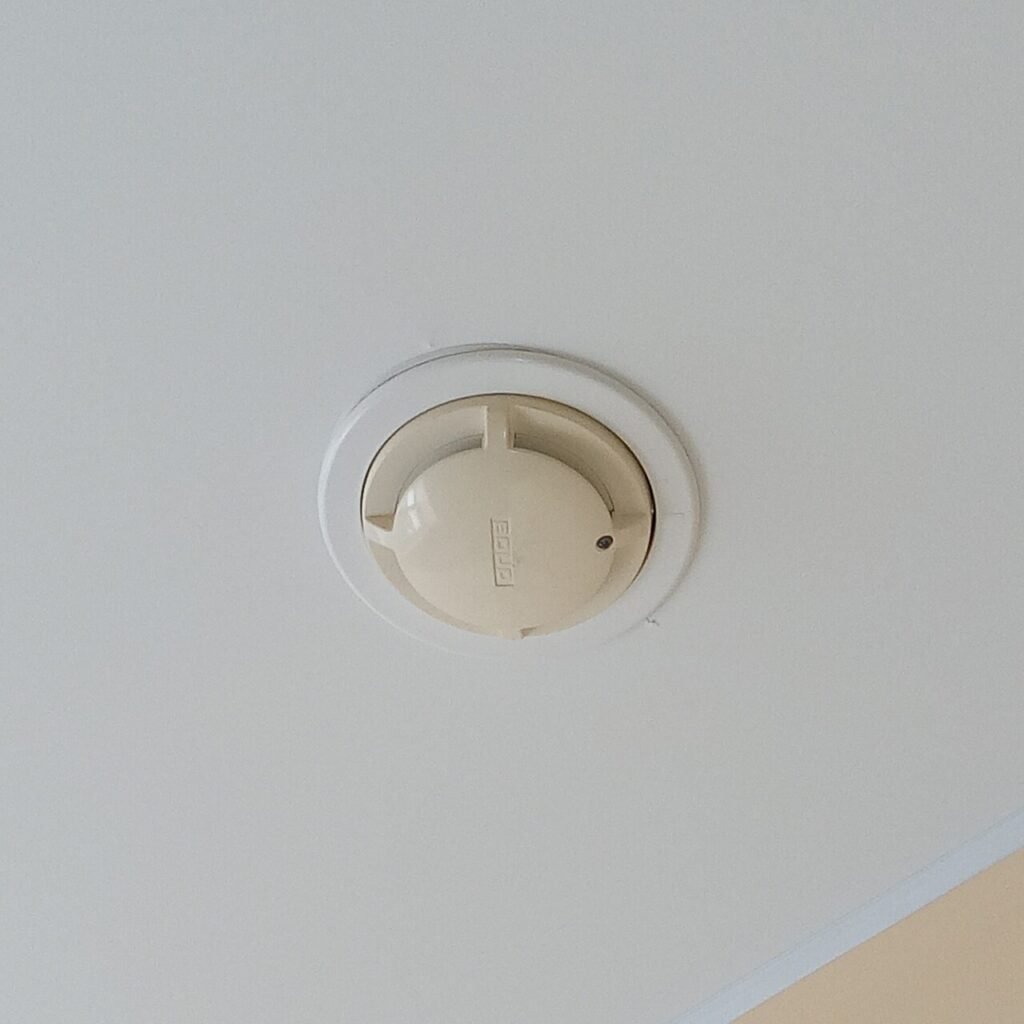
A smoke detector camera solves one specific problem: it looks exactly like the thing already mounted on every ceiling in your house, so nobody gives it a second glance. That’s also its biggest limitation, since a fake smoke detector doesn’t detect smoke, meaning you’re trading a real safety device for a camera unless you keep both in the room. We looked at four models currently on sale to see where the disguise holds up and where it doesn’t.
Verdict
The ASWNS 1080p unit is the sensible starting point if this is your first disguised camera: it is the cheapest of the four and it carries the most ratings, which in a category this thin counts for something. Step up to the SIKVIO 4K if picture detail matters, or if you want a lens you can turn after it is already screwed to the ceiling. Whichever you pick, mount a real smoke detector in the same room. None of these units replace one, and treating them like they do is a genuine fire-safety risk, not just a technicality.
Why disguise comes with real trade-offs
Every smoke-detector-style camera makes the same compromise: the housing has to look convincingly like a ceiling-mounted smoke alarm, which limits how much room is left inside for a large sensor, a big battery, or a wide lens. That’s why these cameras generally lag behind a plain small camera like a Wyze Cam v4 on resolution and field of view. You’re paying for the disguise, not for spec-sheet performance, and going in with that expectation avoids most of the disappointment people report after buying one.
The other trade-off is placement rigidity. A plain camera can sit on a shelf, tuck into a plant, or clip to a bag. A smoke detector camera only makes sense in one spot: the ceiling, ideally near where a real detector would normally go. If your use case needs a camera somewhere a smoke detector wouldn’t logically be mounted, like eye-level on a wall, the disguise stops working and you should look at a different form factor entirely.
| Model | Resolution | Storage | Power | Best for |
|---|---|---|---|---|
| ASWNS 1080P | 1080p | Loop recording, overwrites the oldest clip when full | Not stated on the listing | Lowest price of the four, and the most ratings behind it |
| SIKVIO 4K Rotatable | 4K | MicroSD, or straight to the phone album with no card fitted | 10400 mAh, rated 50 hours recording | Detail, and a lens you can re-aim after mounting |
| Lizvie 10000mAh | 1080p | MicroSD | 10000 mAh, with a remote for switching it on and off | Ceilings you would otherwise need a ladder to reach |
| Forthaus 180-Day | 1080p | MicroSD up to 128GB, overwrites when full | 5500 mAh, rated up to 6 months on standby | A room you will not get back to for months |
What each one gets right
The ASWNS 1080p unit is the one to start with, mostly on price and on the fact that it carries more ratings than anything else here, 22 of them averaging 4.5. In a field made up almost entirely of listings with a handful of reviews, that is the closest thing to a track record on offer. It records in a loop and overwrites the oldest clip once the card fills, so it keeps going unattended without anyone emptying it. The listing never says how it is powered, which is worth settling before you commit to a spot with no outlet near it.
SIKVIO’s 4K model is the pick if you need to make out a face across a room rather than a shape moving through it. Its more useful trick is the rotating lens, which turns roughly 350 degrees, so a mounting position that ends up aimed slightly wrong gets corrected without unscrewing anything. It runs off a 10400 mAh battery the listing rates at 50 hours of recording, and it captures no audio at all. The cost of 4K is file size, which bites harder on card storage than it does when you are pulling clips to a phone.
The Lizvie 10000mAh runs off a battery rather than a plug, which matters in a room where a visible cord is what blows the disguise, not the housing. It also ships with a remote for switching the camera on and off, which sounds like a gimmick until you have mounted one on a stairwell ceiling and worked out that the alternative is a ladder every time. The caveat is the listing itself: one rating. Nothing about it looks wrong, but there is no volume of buyer feedback to lean on.
The Forthaus 180-Day exists for the case where you cannot go back and charge anything. A PIR sensor keeps it asleep until something moves, then it records a 15 second clip and pushes it to the phone, which is how 5500 mAh stretches into a standby figure measured in months. It joins 2.4 GHz networks only, so a router running 5 GHz alone will not see it, and it records no audio, the listing citing federal law rather than a design choice. Its rating is the weakest of the four at 3.3 across 35 buyers, so read a few of those first. Wi-Fi also means it can show up on a network scan the way a card-only camera never would, and our full Wi-Fi vs SD card comparison covers that trade-off in more depth than we can here.
The safety asterisk that matters more than any spec
None of these four units detect smoke. That’s not a minor caveat, it’s the single most important thing to understand before buying one. If you swap a real smoke detector for one of these, you’ve removed a life-safety device from your home to gain a camera. Mount the disguised camera near, not instead of, a working smoke detector, and test the real one on the same schedule you already should be following regardless of what’s on the ceiling next to it.
Is the legal picture any different for a disguised camera?
No. A camera hidden inside a smoke detector follows the exact same rules as a plain visible one: video in common areas of your home is legal without consent, audio triggers consent requirements in a chunk of states, and bathrooms and guest bedrooms are off-limits regardless of how well the camera is disguised. The disguise changes nothing about the legal analysis. Read our full guide to hidden camera law at home before you mount any of these, disguised or not.
How well these hide from a search
A smoke detector housing beats a plain camera against a casual glance, but it doesn’t beat a real search. Anyone running a proper sweep, checking for lens glare with a flashlight, scanning the Wi-Fi device list, physically inspecting anything mounted on the ceiling, will catch a disguised camera about as reliably as an obvious one, since these techniques target the lens and the signal, not the housing. Our guide to sweeping a room for hidden cameras and bugs walks through the exact method, and our roundup of the best hidden camera detectors covers which tools catch this specific style of housing versus which ones are mostly marketing.
Where to go from here
If disguise is genuinely your top priority and you’re comfortable with the resolution trade-off, the ASWNS 1080p unit is the safe default. If a plain small camera would work fine for your situation instead, since disguise isn’t free and it isn’t always necessary, our picks for hidden cameras under $50 get you sharper footage for less money. And if you’re not sure which approach fits your situation at all yet, our full buying guide starts from the beginning rather than assuming you’ve already decided on a disguised camera.
Frequently asked questions
Do smoke detector cameras detect smoke?
No. Every model in this category is a camera housed to look like a smoke detector, not a functioning smoke alarm. Keep a real smoke detector in any room where you install one of these.
Which smoke detector camera has the best picture quality?
SIKVIO’s 4K model is the only one here above 1080p. The other three are 1080p, still usable but noticeably softer on fine detail across a room.
Can a smoke detector camera be spotted during a room sweep?
Yes. The housing fools a casual glance, but a flashlight check for lens glare, a Wi-Fi network scan, or a physical inspection of ceiling fixtures catches these about as often as any other hidden camera.
Is it legal to use a smoke detector camera at home?
The same rules apply as any hidden camera: video in common areas is legal without consent, audio requires consent in roughly a third of states, and bathrooms and guest privacy remain off-limits regardless of the housing.
Behind this review
TrueSpyTech does not operate a test lab, and no article here rests on a unit we plugged in ourselves. Research pulls the spec sheets and the relevant law, the pattern in owner reports fills in what a spec sheet will not admit, and an editor signs off before anything goes live. Ratings are locked before affiliate links go in, never after. The full protocol is on our How we review page.
Google lets you pick which sites come up first in your own results.
.jpg)