A Bluetooth tracker tells you where your things were last heard by someone else’s phone. A GPS tracker with its own cellular connection reports where it is, by itself, on a schedule you set. The first is cheap, small and works only where other people’s devices are around. The second costs more to run, is larger and keeps reporting in places where nobody walks by. Which one you want depends on what you are tracking, and the wrong choice fails at the exact moment you need it.
This article is about the mechanical difference, the cases where each one breaks and what that means for lost keys, a car, an elderly parent or a pet. It is not about following a person who does not know about it; that is covered separately and is often illegal.
How each one works
A Bluetooth tag such as Apple’s AirTag broadcasts a short-range signal. It has no location sensor and no internet link of its own. When a phone that belongs to the same network passes within range, that phone reports the tag’s position to the network, and the owner sees it on a map. Apple states the AirTag uses a replaceable CR2032 battery that lasts more than a year, is rated IP67, and relies on the Find My network, which Apple describes as more than a billion devices. Those are manufacturer figures, not independent tests.
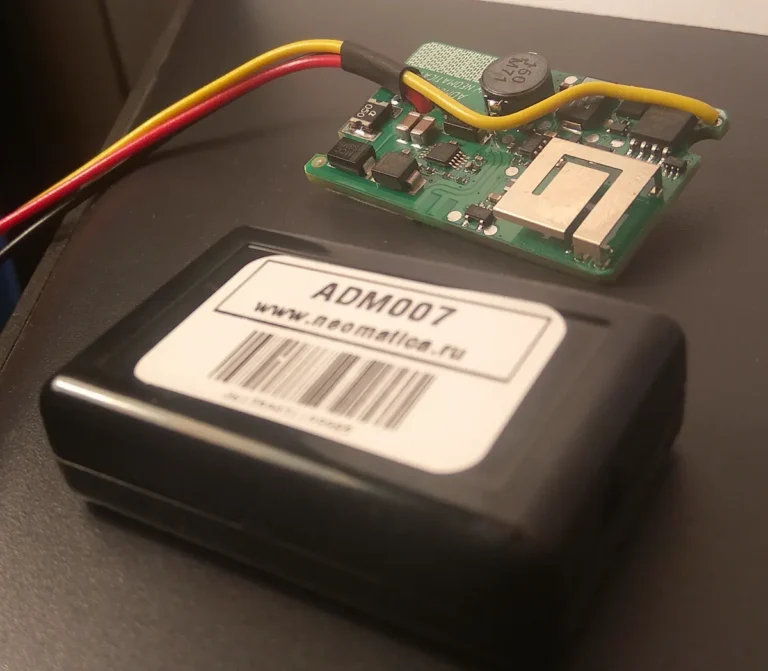
A GPS tracker with a cellular modem works the other way. It calculates its own position from satellite signals and sends it over a mobile network. That needs a data plan, usually a subscription, and a battery or a wired power source. Our GPS tracker guide covers the products and what they cost, and the no-monthly-fee comparison explains what that phrase does and does not mean.
Where a Bluetooth tag works well
Keys, a wallet, a bag, headphones, a laptop in a backpack. Things that get lost in places with people: a cafe, a train, a street, an airport. The more phones nearby, the faster the tag is seen, so it does best in cities and worst in empty places. Because it is small and cheap, you can put one in each of several items and accept the loss if one disappears.
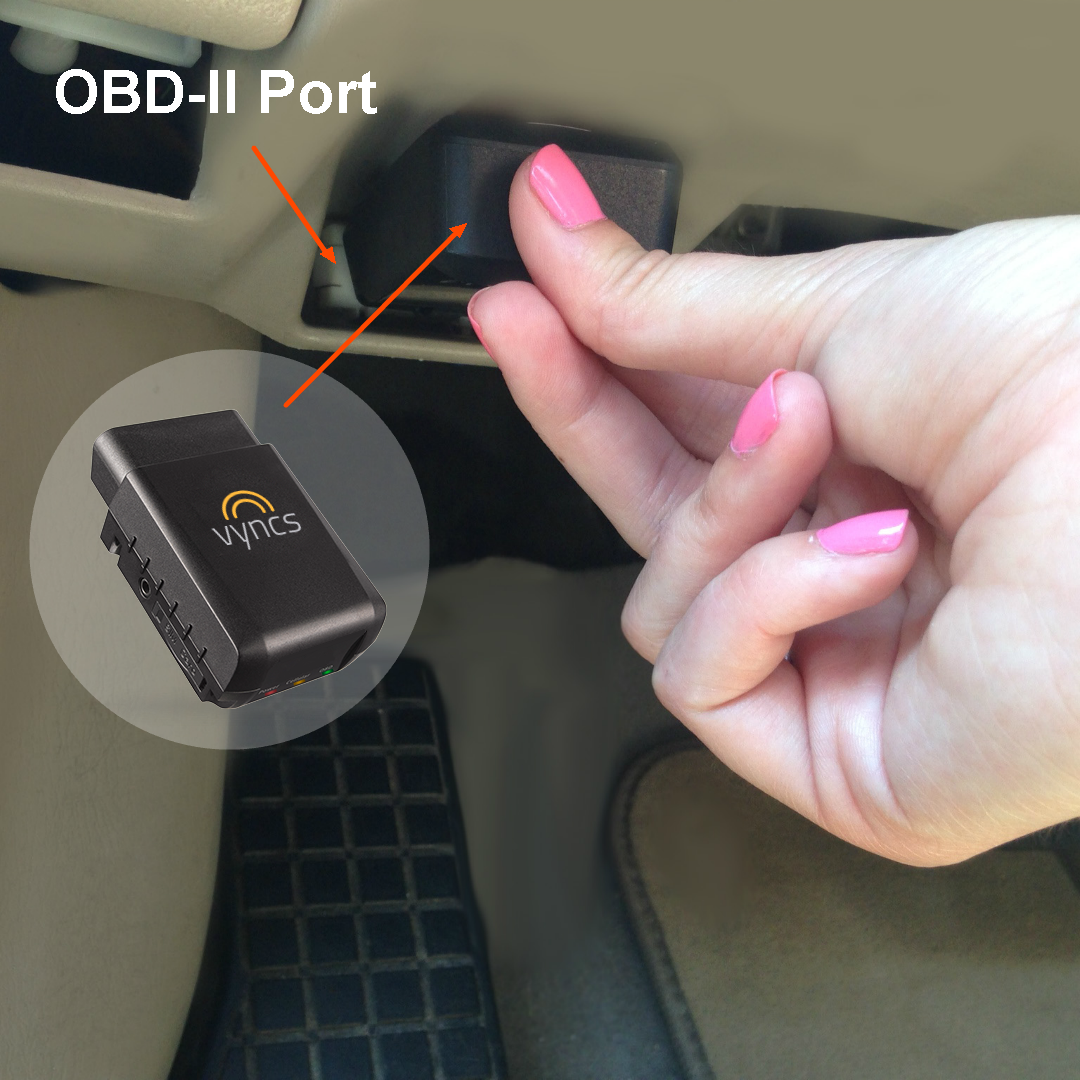
Its weaknesses follow from how it works. If a tag is in a rural area, a parking structure’s basement or a locked box with nobody passing, nobody reports it. Its location updates are delayed and indirect, so it is poor for something that moves quickly and that you need to follow in real time. And it can be used against you; Apple built unwanted-tracking alerts for this reason, and our article on checking a car for a tracker explains why a hidden one is worth looking for.
Where a GPS tracker works well
A vehicle, a trailer, a boat, equipment on a job site, a dog that roams. Anything that travels outside crowded areas, or that you need to find on a schedule rather than by luck. A GPS unit will keep updating from a highway shoulder at night with no one around, as long as it has satellite and cellular coverage.
Its weaknesses are cost and care. The plan has a monthly or annual price. The battery has to be charged or the unit has to be wired in. Coverage depends on the cellular network the device uses, so a dead zone is a dead zone, and a tracker in a metal box or a shielded garage may lose its fix. Many people assume a tracker is always on and always accurate. It is neither.
A fair comparison
- Cost: a Bluetooth tag is a one-time purchase; GPS trackers typically involve a plan, though the amount differs by product and you should read each maker’s page rather than trust a generalization.
- Battery: the tag runs for a year or more on a coin cell by Apple’s specification; GPS units need charging or a power connection, with run time dependent on how often they report.
- Coverage: a tag depends on nearby phones in its network; a GPS unit depends on cellular and satellite signal.
- Update rate: a tag updates when a phone happens to pass; a GPS unit can report at set intervals.
- Size: tag is a coin; GPS is a pack of cards or larger.
Picking by use
For luggage, keys and a bag, buy a tag. For a car you might lose to theft, a GPS unit is the sensible tool, because a thief drives to places a tag may not be heard. For an elderly parent who may wander, a tag has a weakness: it needs someone’s phone nearby, and a person walking along a country road may not pass anyone. Our look at GPS trackers for elderly parents discusses the devices designed for that, and the family and the person should talk first. A tracker worn without agreement raises ethical and sometimes legal problems.
For a pet, the same logic applies: a collar tag is fine in a neighborhood, and a GPS collar is better for a dog that goes into woods.
The legal edge
Tracking your own property is generally fine. Tracking another person is not, and the rules differ by state. A tag you slip into someone’s bag or car without their knowledge can be a crime in a number of states, and both Apple and Google built alerts to make that harder. That is a limit on the product by design, and a reason to use it only on what you own or with the clear, known consent of the person carrying it.
Using both
People who track valuables sometimes use both without noticing: a tag in the luggage and a GPS unit in the car. That is reasonable, since each covers the other’s weakness. What does not work is trusting a tag for something that must be found fast in an empty place, or a GPS unit for something you will leave in a drawer for a year and expect to still be alive. Check batteries on a calendar, not when the app stops reporting. And read the maker’s own specifications for whatever you buy; battery life, range and coverage figures change from one model to another, and the numbers in a review may describe a model that is no longer sold.
Think about what happens to your own privacy, too. A tag on your keys records where you were. The location data lives with the manufacturer, and who can see it depends on the account settings. Use a strong account password and review who has shared access.
Behind this review
TrueSpyTech does not operate a test lab, and no article here rests on a unit we plugged in ourselves. Research pulls the spec sheets and the relevant law, the pattern in owner reports fills in what a spec sheet will not admit, and an editor signs off before anything goes live. Ratings are locked before affiliate links go in, never after. The full protocol is on our How we review page.
Google lets you pick which sites come up first in your own results.